Safebox Complete Buyer's Guide: Types, Features & How to Choose
In today's unpredictable world, safeguarding valuable possessions and sensitive documents is paramount. A safebox serves as a critical line of defense, offering robust protection against theft, fire, and other unforeseen disasters. This comprehensive guide explores safebox types, essential features, selection criteria, and security standards to help you secure your assets effectively.
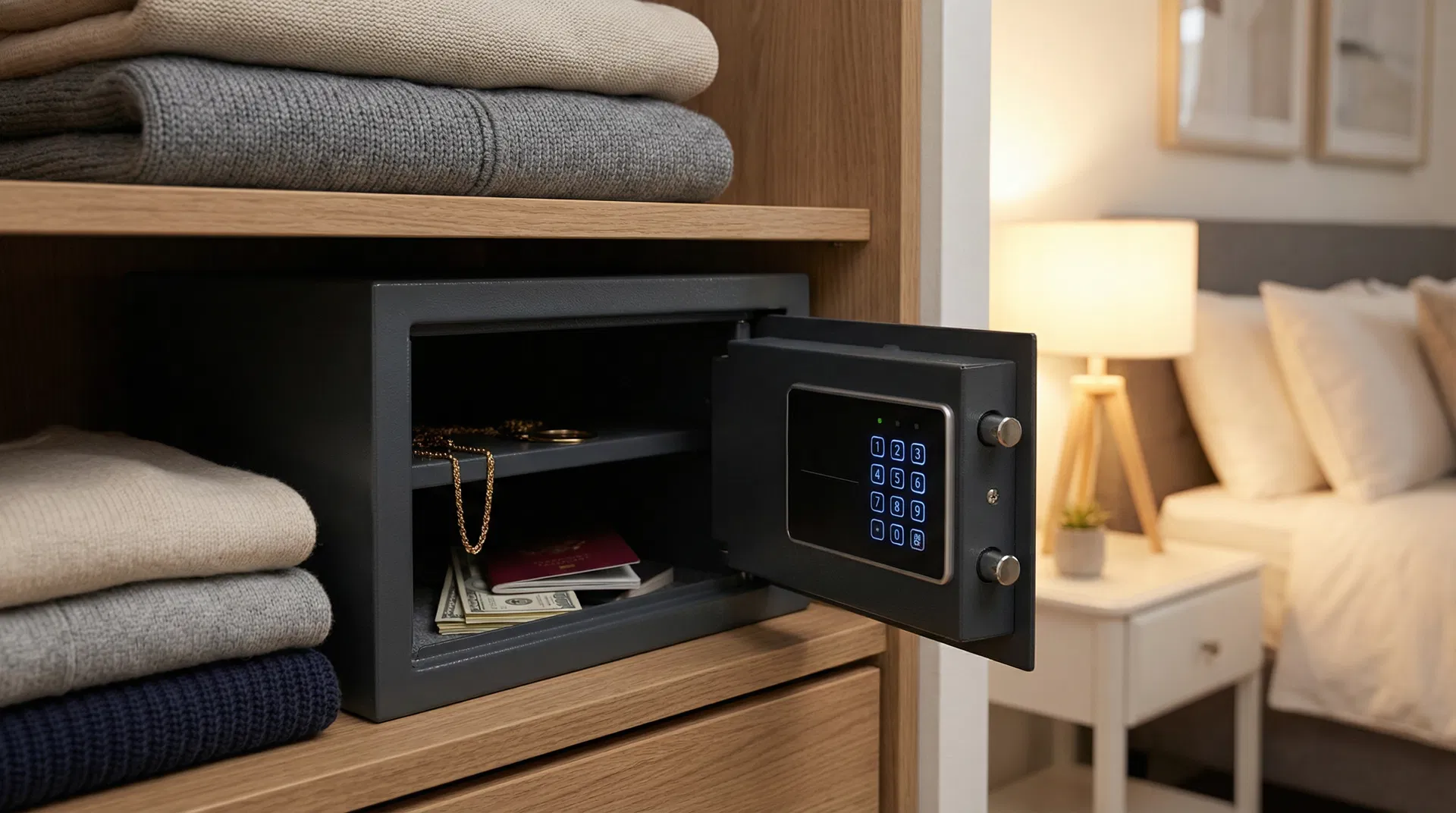
What is a Safebox? A safebox is a secure, lockable container typically made from durable materials like steel, designed to protect its contents from unauthorized access, fire, and other environmental hazards. It provides a secure storage solution for valuables such as cash, jewelry, important documents, and digital media. Shonelea, a leading manufacturer from Hengshui, China, specializes in crafting high-quality safeboxes tailored to diverse security needs.
What Is a Safebox?
The fundamental purpose of a safebox is to provide a secure environment for irreplaceable items. Modern safeboxes are engineered with advanced features to withstand sophisticated break-in attempts, extreme temperatures, and even water damage. Understanding the core function of a safebox is the first step in appreciating its indispensable role in security planning.
The Essential Role of a Safebox in Security
A safebox is more than just a metal box; it's a strategic investment in security. It acts as a physical barrier, deterring thieves and slowing down intruders. For businesses, a safebox is vital for protecting sensitive data, financial records, and cash reserves, ensuring operational continuity. Shonelea's commitment to robust construction ensures every safebox meets stringent security expectations.
Types of Safebox for Home and Business
The market offers a diverse range of safebox types to meet specific security requirements. Choosing the right safebox depends on the items to be protected, the desired security level, and environmental risks.
Electronic Safebox Features and Benefits
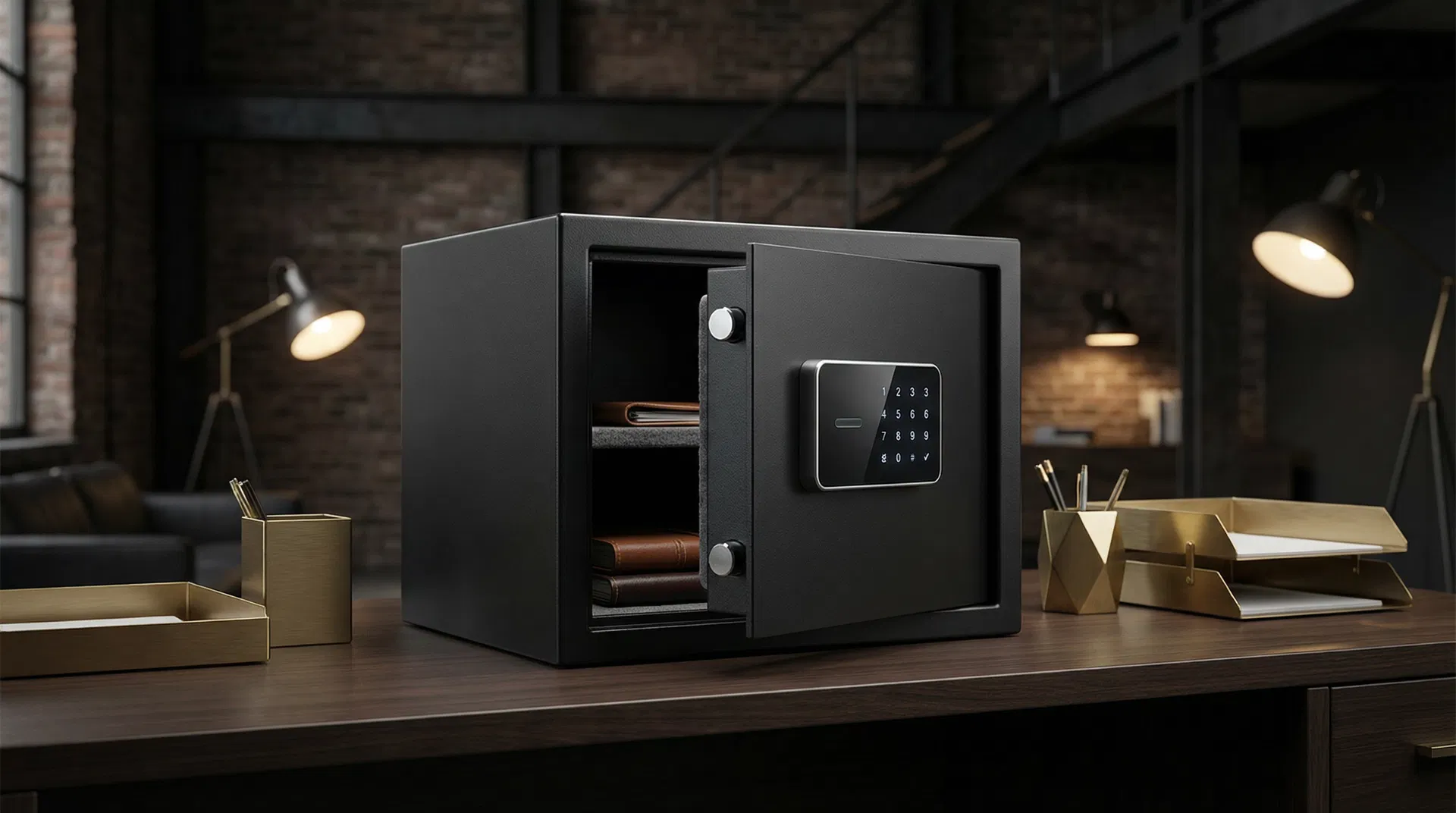
An electronic safebox utilizes a digital keypad for access, offering convenience and quick entry. Advanced features make it a popular choice, including programmable codes, audit trails, backup access, and tamper alerts.
Biometric Safebox: Advanced Security for Your Valuables
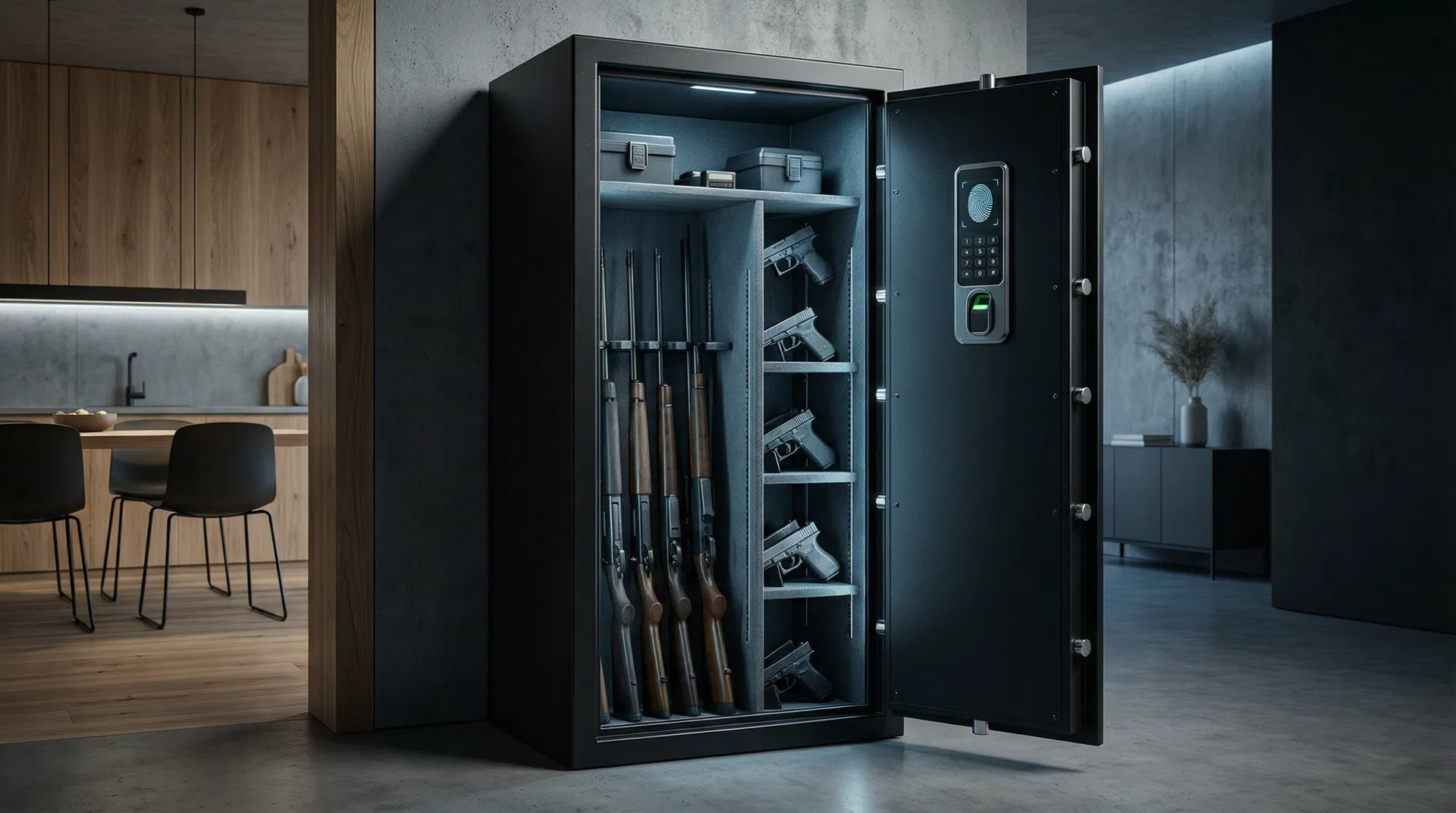
Biometric safeboxes use unique biological identifiers like fingerprints for access. This eliminates the risk of lost keys or forgotten codes, offering unparalleled security through quick fingerprint recognition and multiple user profiles.
Fireproof Safebox: Protecting Against Extreme Conditions
A fireproof safebox is specifically engineered to protect its contents from extreme heat. These are crucial for safeguarding documents and digital media. A safebox with a UL 72 rating has undergone rigorous testing to ensure its fire resistance, specifying how long it can protect contents at certain temperatures.
Mechanical Safebox: Traditional Reliability
Mechanical safeboxes, with dial or key locks, offer time-tested reliability and don't depend on batteries. They are favored for their simplicity and durability, making them a dependable safebox option.
| Safebox Type | Access Method | Key Features | Ideal Use Case |
|---|---|---|---|
| Electronic Safebox | Digital Keypad | Programmable codes, audit trails | Home, small business, quick access |
| Biometric Safebox | Fingerprint | Unparalleled security, multiple users | High-value items, personal documents |
| Fireproof Safebox | Keypad/Dial/Biometric | Heat resistance, UL 72 rated | Important documents, digital media |
| Mechanical Safebox | Dial/Key Lock | No batteries, highly durable | Long-term storage, remote locations |
How to Choose the Right Safebox
Selecting the appropriate safebox requires careful consideration of various factors to ensure optimal protection and peace of mind.
Assessing Your Security Needs for a Safebox
Before purchasing a safebox, evaluate what you need to protect. The value and nature of these items will dictate the required security level and features of your safebox. Consider potential threats like burglary, fire, or water damage.
Key Features to Look for in a Quality Safebox
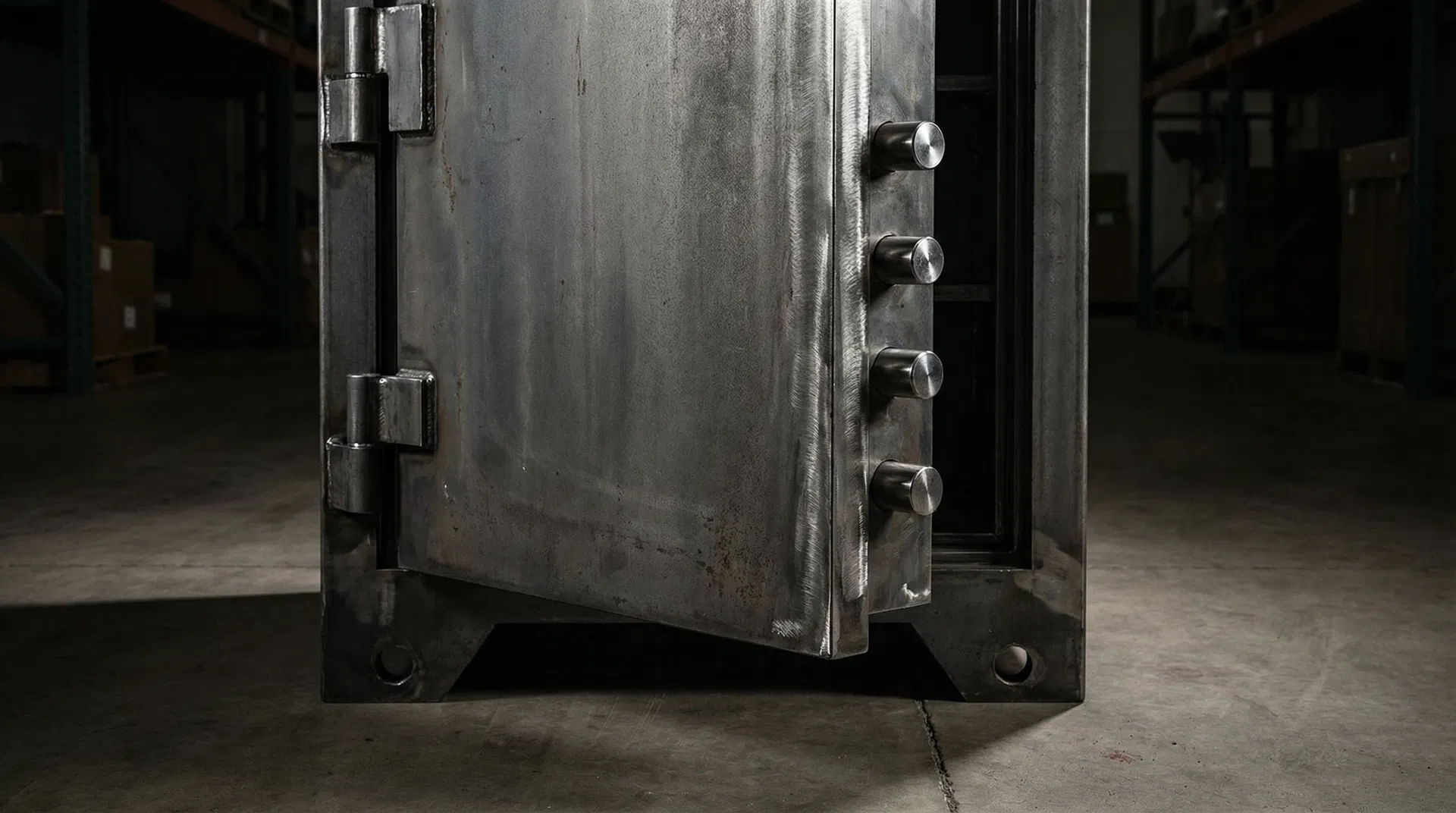
Look for robust construction, such as solid steel walls and doors with a minimum steel thickness of 6mm for enhanced resistance. Additional features like live locking bolts, anti-pry doors, and internal hinges further bolster security. Shonelea also offers complementary security solutions like high-security vault doors.
Understanding Safebox Size and Installation Options
The size of your safebox should accommodate your current and future storage needs. Consider where the safebox will be installed (freestanding, wall-mounted, or floor-mounted). Proper installation, such as bolting the safebox to a solid surface, significantly enhances its resistance to removal.
Safebox Security Standards Explained
Understanding international security standards is crucial when evaluating the protective capabilities of a safebox.
European Safebox Standards: EN 1143-1 Explained
EN 1143-1 is a prominent European standard for burglary resistance. It classifies safeboxes into different grades (e.g., Grade 0 to Grade VI), with higher grades indicating greater resistance to attack. Each grade corresponds to a specific cash rating and resistance unit (RU) value, guiding buyers on the level of protection.
American Safebox Standards: UL 72 and Beyond
Underwriters Laboratories (UL) sets rigorous standards for safebox performance, particularly for fire resistance. The UL 72 standard evaluates a safebox's ability to protect paper records from heat. Ratings like Class 350 (1-hour) indicate the internal temperature remains below 350°F (177°C) when exposed to external temperatures of up to 1700°F (927°C).
The Importance of Certified Safebox Products
Opting for a certified safebox is a necessity for ensuring genuine protection. Certifications from bodies like UL and ECB•S confirm that a safebox has been rigorously tested and meets specific performance criteria, assuring it will perform as expected.
Why Buy a Safebox from Shonelea Factory
Shonelea stands out as a trusted partner for B2B wholesale buyers, offering superior quality and bespoke solutions.
Shonelea's Commitment to Safebox Quality and Innovation
Shonelea, based in Hengshui, China, has a long-standing reputation for manufacturing high-quality security products. Our factory combines craftsmanship with technology to produce robust safeboxes with the latest security advancements.
Custom Safebox Solutions for B2B Buyers
Shonelea offers extensive customization for our safebox range. We work with B2B clients to design and manufacture safeboxes that align with their operational needs, from dimensions and locks to interior configurations.
The Shonelea Advantage in Safebox Manufacturing
Choosing Shonelea means partnering with a manufacturer that prioritizes quality and reliability. Our stringent quality control ensures every safebox is built to the highest standards. With Shonelea, you gain access to factory-direct pricing and dedicated support.
Conclusion: Securing Your Assets with the Right Safebox
Investing in a high-quality safebox is a crucial decision. By understanding the different types, features, and security standards, you can confidently select a safebox that meets your needs. Shonelea is dedicated to providing superior security solutions for businesses worldwide.
Frequently Asked Questions about Safeboxes
Q: What makes a safebox fireproof?
A: A fireproof safebox is constructed with specialized insulating materials that resist heat transfer. These materials keep the internal temperature below a critical threshold (e.g., 350°F for paper) for a specified duration during a fire, as validated by certifications like UL 72.
Q: How do I choose the right size safebox?
A: To choose the right size safebox, identify all items you intend to store, considering future needs. Measure the largest items and ensure the internal dimensions are adequate. Also, consider the installation space to ensure the external dimensions fit without obstruction.
Q: What is the difference between an electronic and a mechanical safebox?
A: The primary difference is the locking mechanism. An electronic safebox uses a digital keypad for convenient access, while a mechanical safebox relies on a traditional dial or key lock for battery-independent security. Both are reliable, but electronic models offer quicker access.
Q: Why are security standards important for a safebox?
A: Security standards are crucial for a safebox as they provide independent, verifiable proof of its protective capabilities. Certifications like EN 1143-1 and UL 72 mean the safebox has undergone rigorous testing, assuring buyers it will perform as advertised under specific threat conditions.
Q: Can Shonelea provide custom safebox solutions?
A: Yes, Shonelea specializes in providing custom safebox solutions for B2B wholesale buyers. We can adjust dimensions, locking mechanisms, interior configurations, and finishes to meet specific operational needs. Our team works with clients to ensure the custom safebox perfectly aligns with their business objectives.