Household Safe Guide: How to Protect Your Valuables at Home
A household safe is an essential security solution designed to protect your most valuable possessions from theft, fire, and other unforeseen disasters. Investing in a reliable household safe provides peace of mind, knowing that important documents, jewelry, cash, and sentimental items are securely stored within your home. This comprehensive guide will walk you through everything you need to know about choosing, installing, and maintaining the perfect household safe for your needs.
What Is a Household Safe?
A household safe is a secure, lockable box or cabinet used to store valuable items within a residential setting. These safes are typically constructed from robust materials like steel and feature advanced locking mechanisms to deter unauthorized access. The primary purpose of a household safe is to offer protection against theft, fire, and sometimes water damage, ensuring the safety of personal belongings. They come in various sizes and security ratings, catering to different levels of protection and types of valuables.
What to Store in a Household Safe
Deciding what to store in your household safe depends on the value and importance of your possessions. Generally, items that are difficult or impossible to replace should be prioritized. This includes:
- Important Documents: Passports, birth certificates, property deeds, insurance policies, wills, and financial records. Keeping these in a fire-resistant household safe is crucial.
- Jewelry and Precious Metals: Engagement rings, family heirlooms, gold, silver, and other valuable jewelry items are prime targets for theft.
- Cash and Valuables: Any significant amounts of cash, rare coins, or other small, high-value collectibles.
- Irreplaceable Sentimental Items: Old photographs, letters, or small mementos that hold significant personal value but are not easily replaced.
- Digital Backups: External hard drives or USBs containing critical digital data, often requiring a fire-resistant household safe.
Household Safe Installation: Wall, Floor or Furniture?
The installation method for your household safe significantly impacts its security. The goal is to make the safe as difficult as possible for intruders to remove. Here are the common installation types for a household safe:
Wall-Mounted Household Safe
Wall safes are installed directly into a wall, often concealed behind a picture or mirror. They offer excellent concealment but are limited by the wall's depth and structural integrity. A wall-mounted household safe is ideal for smaller valuables and typically requires professional installation to ensure it is securely anchored to wall studs or masonry.
Floor-Mounted Household Safe
Floor safes are installed into the concrete slab of a home, providing superior resistance against removal. They are often hidden under carpets or furniture. A floor-mounted household safe offers robust protection, especially against fire and theft, as they are typically bolted down using heavy-duty anchor bolts. This method makes the household safe extremely difficult to dislodge.
Furniture-Mounted Household Safe
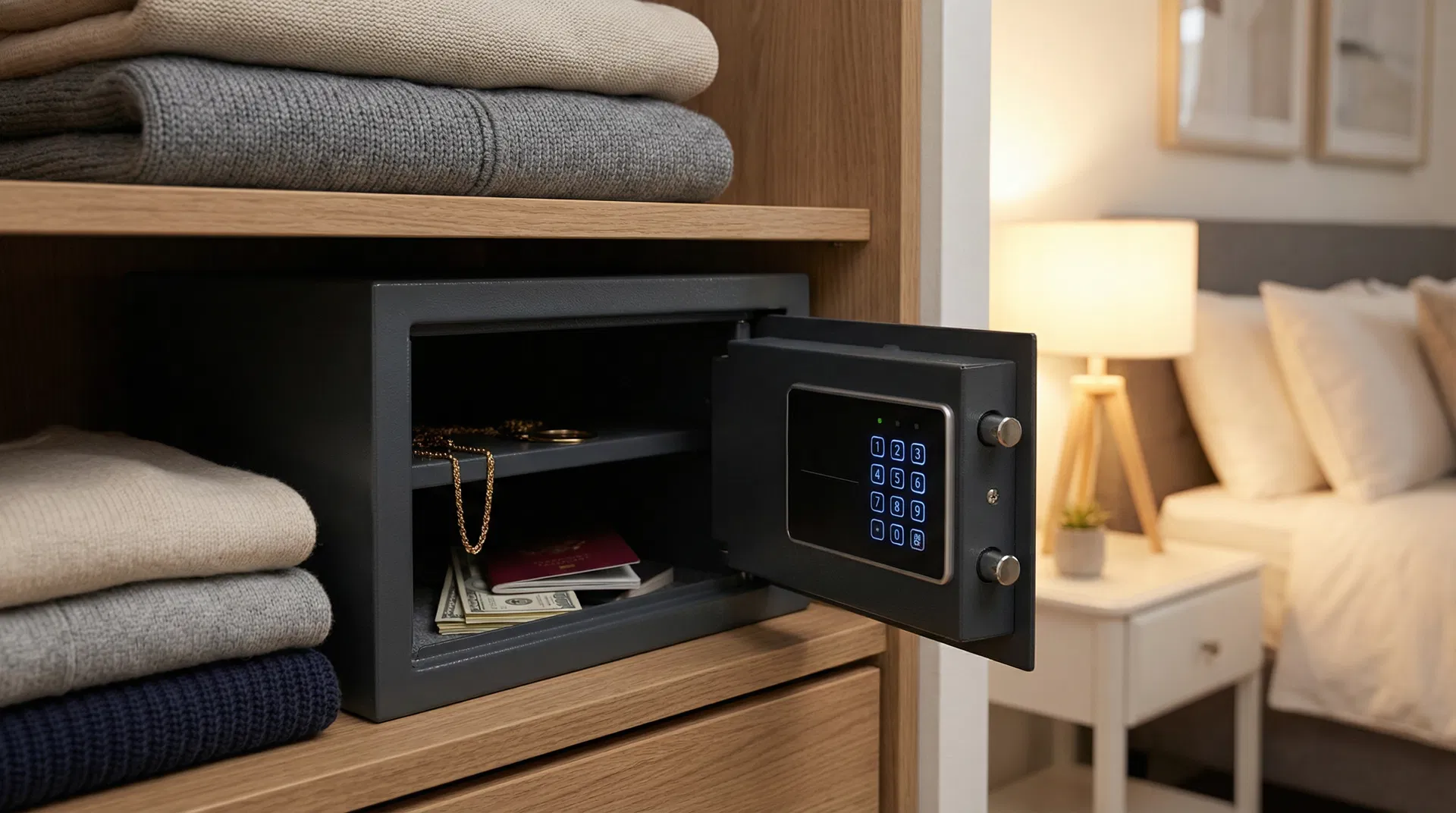
These safes are designed to be secured inside furniture, such as a closet, desk, or cabinet. While offering some level of concealment, their security largely depends on how well they are anchored to the furniture and the furniture's stability. A furniture-mounted household safe is a popular choice for convenience, but it's crucial to ensure it's bolted to a sturdy, immovable piece of furniture.
How to Choose the Right Household Safe Size
Selecting the correct size for your household safe is vital to ensure all your valuables fit comfortably without being overly conspicuous. Consider not only what you plan to store now but also what you might acquire in the future. Measure the largest items you intend to store and add some extra space. A common mistake is underestimating the required capacity, leading to a need for a second household safe later on. Shonelea offers a range of sizes to accommodate various needs, from compact models for documents to larger units for extensive collections, ensuring you find the perfect household safe.
Shonelea Household Safe Models for European Homes
Shonelea, a professional safe manufacturer based in Hengshui, China, specializes in providing high-quality security solutions for B2B wholesale buyers across Europe. Our household safe models are designed to meet stringent European security standards, offering superior protection against theft and fire. We understand the unique needs of European homeowners and offer a diverse range of household safe options, ensuring every household safe meets expectations.
Shonelea Fire-Resistant Household Safe Series
Our fire-resistant household safe series is engineered to protect sensitive documents and digital media from extreme temperatures. These models typically feature multi-layered insulation and robust door seals. For instance, our fire-resistant household safe models are tested to withstand temperatures up to 1000°C for at least 60 minutes, ensuring the integrity of your valuables. This protection is vital for irreplaceable items in any household safe.
Shonelea Burglary-Resistant Household Safe Series
Designed with advanced anti-theft features, our burglary-resistant household safe series incorporates thick steel construction, re-lockers, and drill-resistant hard plates. Many of these household safe models comply with European standards like EN 1143-1, which specifies requirements for resistance to burglary. The steel thickness often ranges from 6mm for the body to 10mm or more for the door, providing formidable protection for your household safe.
Shonelea Dual-Protection Household Safe Series
For ultimate peace of mind, our dual-protection household safe series combines both fire and burglary resistance. These models offer comprehensive security, making them an excellent investment for homeowners with a wide array of valuables. Each dual-protection household safe undergoes rigorous testing to ensure it meets both fire and burglary resistance certifications, providing a robust household safe solution.
Comparison Table: Shonelea Household Safe Features
| Feature | Fire-Resistant Household Safe | Burglary-Resistant Household Safe | Dual-Protection Household Safe |
|---|---|---|---|
| Primary Protection | Fire | Burglary | Fire & Burglary |
| Construction | Insulated steel body & door | Thick steel body & door | Multi-layered insulated steel |
| Certification Example | UL 72 Class 350 | EN 1143-1 Grade 0-II | UL 72 & EN 1143-1 |
| Typical Door Thickness | 4-6mm steel + insulation | 8-12mm solid steel | 6-8mm steel + insulation |
| Ideal For | Documents, digital media | Jewelry, cash, firearms | All valuables |
| Shonelea Models | FS Series | BS Series | DPS Series |
Security Features of a Modern Household Safe
Modern household safe designs incorporate a variety of features to enhance security and user convenience. Understanding these features will help you make an informed decision when selecting your household safe.
Locking Mechanisms for a Household Safe
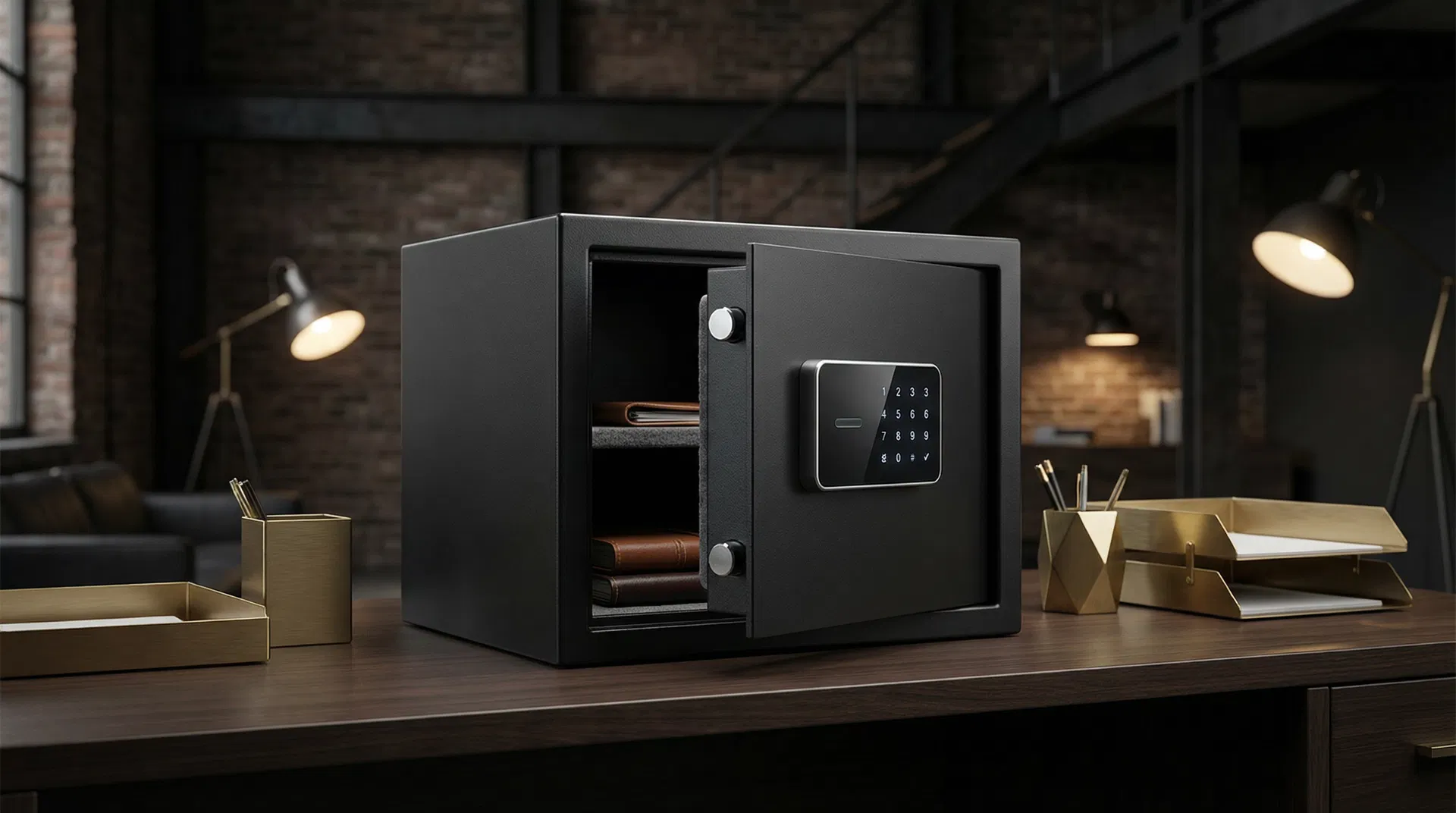
- Electronic Locks: Offer quick access with a keypad code. Many include features like time delays and multiple user codes, making an electronic household safe very user-friendly.
- Dial Combination Locks: Traditional and highly reliable, requiring no batteries. A combination household safe is a classic choice, known for its mechanical durability.
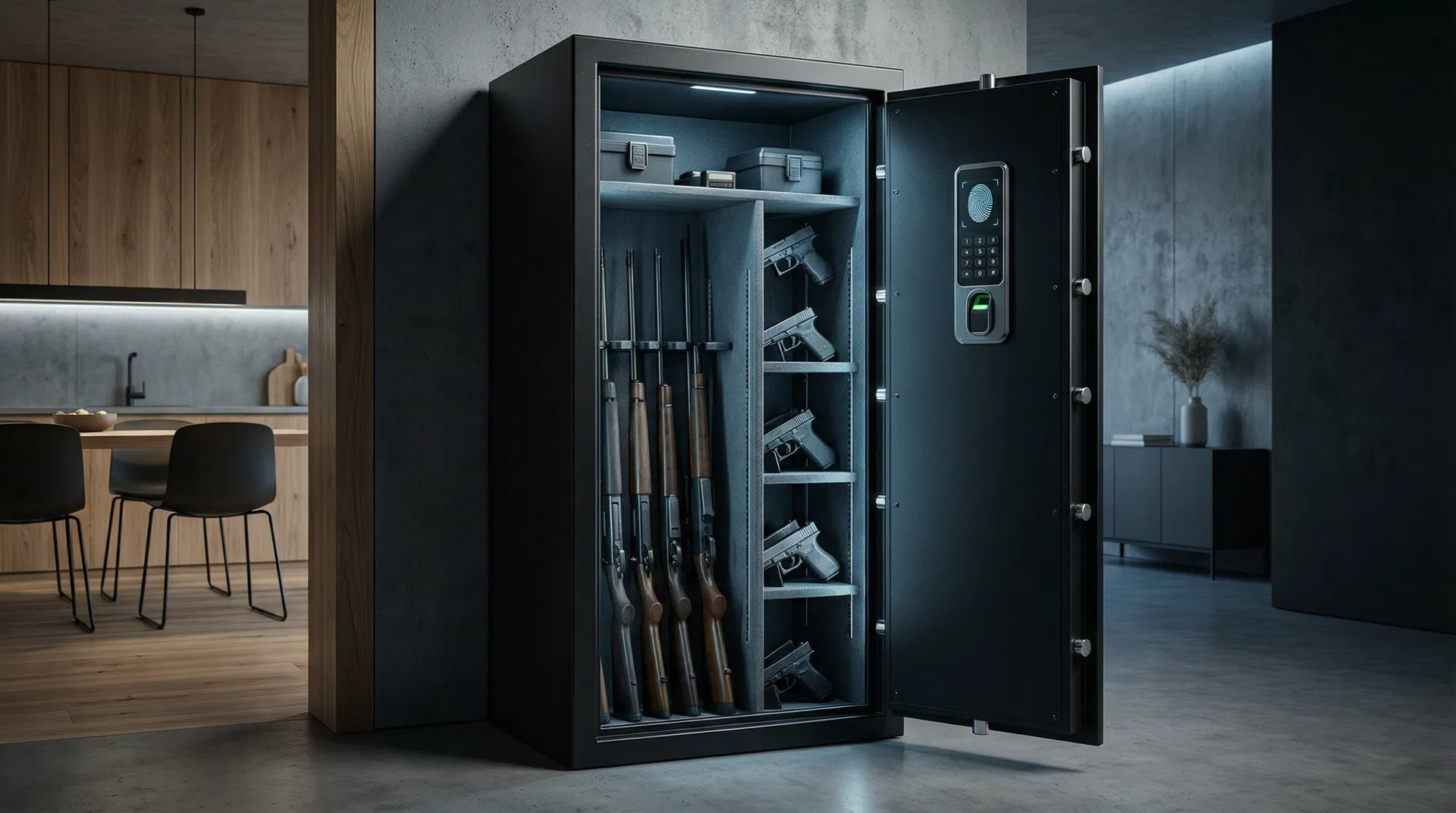
- Biometric Locks: Use fingerprints for access, providing high security and convenience. This type of household safe is increasingly popular for rapid, secure entry.
Construction Materials for a Household Safe
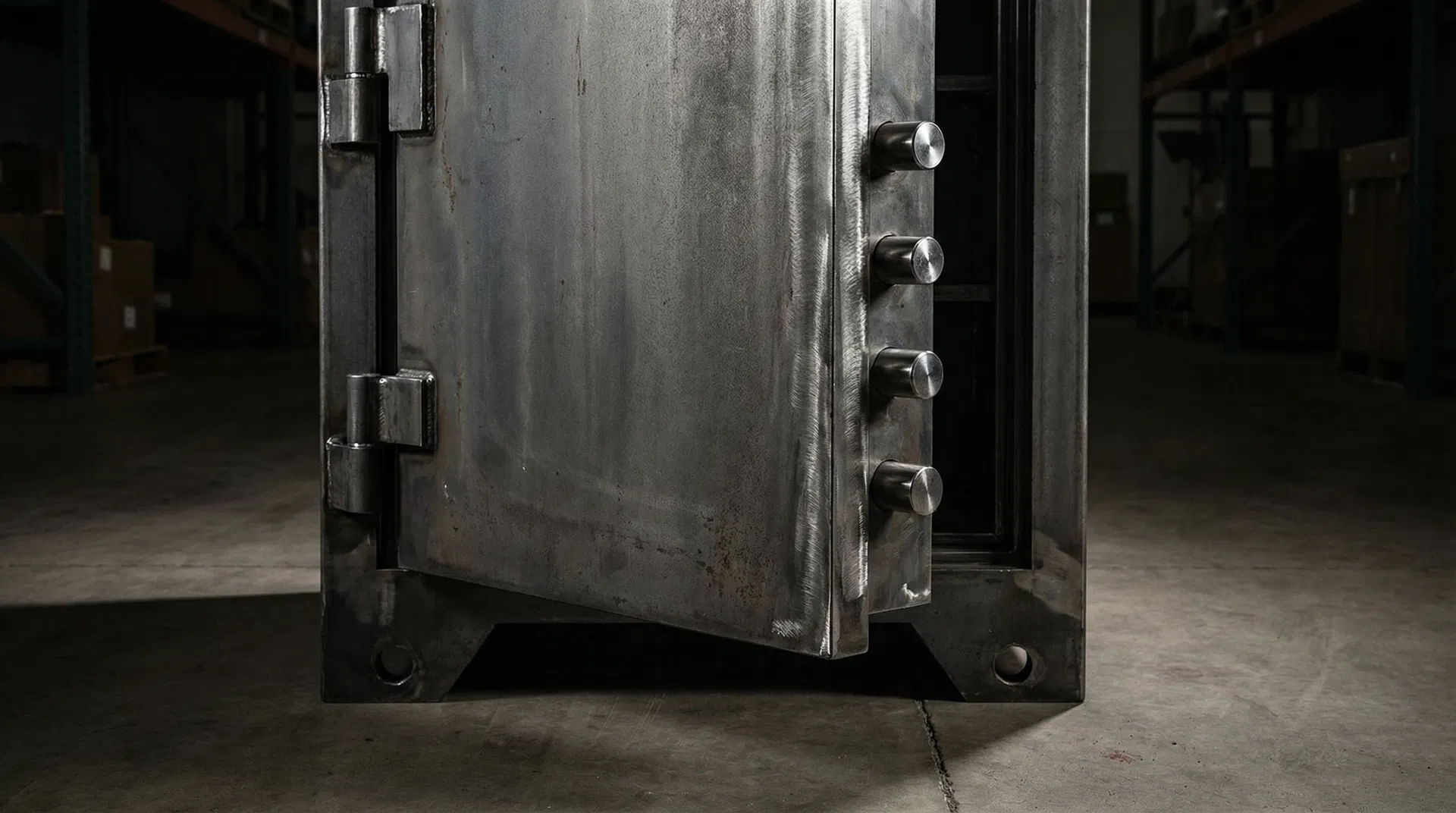
High-quality steel is the standard for a durable household safe. The thickness of the steel, particularly in the door and body, directly correlates with its resistance to forced entry. For example, a household safe with a 10mm solid steel door offers significantly more protection than one with a thinner door. Some safes also incorporate composite materials for added strength and fire resistance, enhancing the overall integrity of the household safe.
Anchoring Options for a Household Safe
Proper anchoring is crucial to prevent a household safe from being carried away. Most safes come with pre-drilled anchor holes, allowing them to be bolted to the floor or a wall. This significantly increases the security of your household safe, making it much harder for burglars to remove. A well-anchored household safe is a formidable deterrent.
Maintaining Your Household Safe for Longevity
Regular maintenance ensures your household safe remains in optimal working condition for years to come. This includes checking the locking mechanism, ensuring door seals are intact (especially for fire-resistant models), and periodically cleaning the interior and exterior. For electronic locks, replace batteries annually to prevent power failure. A well-maintained household safe is a reliable household safe, providing continuous protection for your valuables.
FAQ Section
Q: What is the best location for a household safe?
A: The best location for a household safe is typically a discreet, secure area that is bolted to a permanent structure. Consider a closet, a hidden corner, or even within a wall or floor. The goal is to make it difficult for intruders to find and remove the household safe, enhancing its protective capabilities and ensuring your valuables remain secure.
Q: How often should I change the combination on my household safe?
A: It is recommended to change the combination on your household safe periodically, especially if multiple people have access or if you suspect the combination has been compromised. For electronic locks, changing the code every 6-12 months is a good practice to maintain the security of your household safe and prevent unauthorized access.
Q: Are all household safes fireproof?
A: No, not all household safes are fireproof. While many offer some level of fire resistance, true fireproof household safes are specifically rated to withstand high temperatures for a certain duration, often indicated by certifications like UL 72. Always check the fire rating before purchasing a household safe if fire protection is a priority for your valuables.
Q: Can a household safe protect against water damage?
A: Some household safes offer water resistance, but not all are fully waterproof. Look for models with specific water-resistant seals or ratings if you need protection against floods or water damage. A fire-resistant household safe often has better seals that also offer some water protection, but it's important to verify the specific features of your chosen household safe for comprehensive protection.
Q: What is the average lifespan of a household safe?
A: The average lifespan of a high-quality household safe can be several decades, often exceeding 50 years with proper maintenance. The robust construction materials and simple mechanical parts contribute to their longevity. Electronic components might need replacement over time, but the core structure of a well-built household safe is designed to last, offering enduring security.