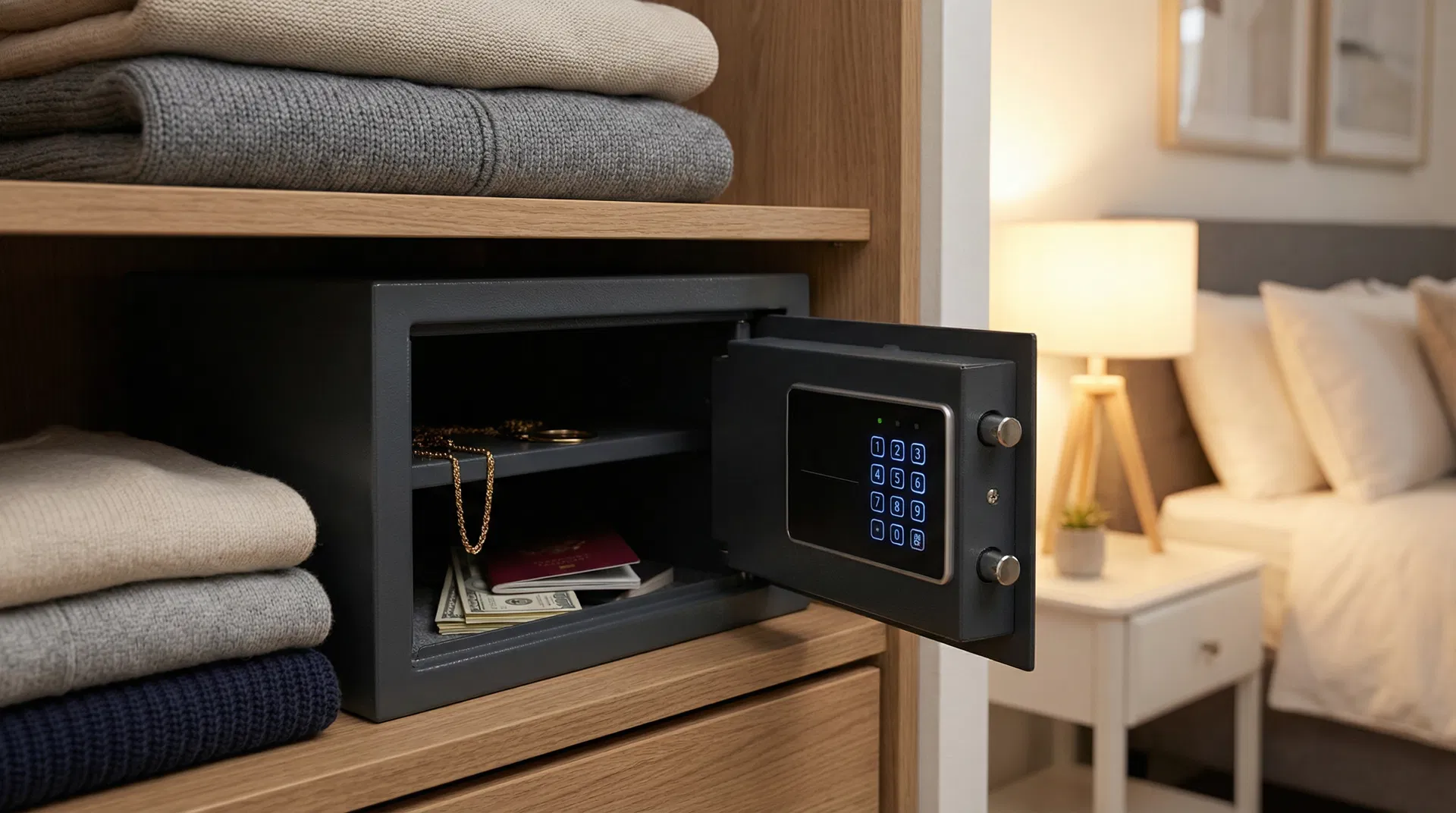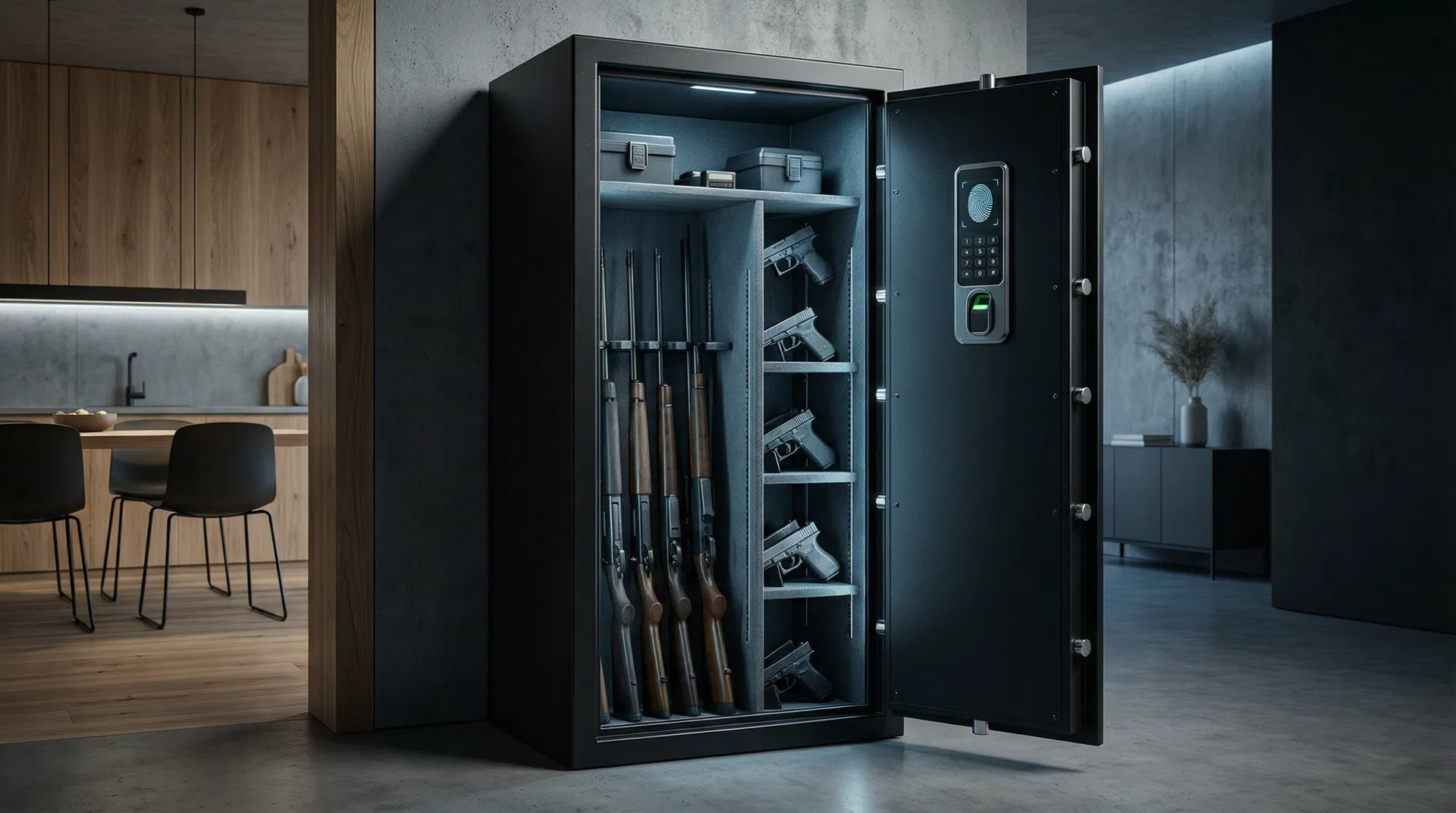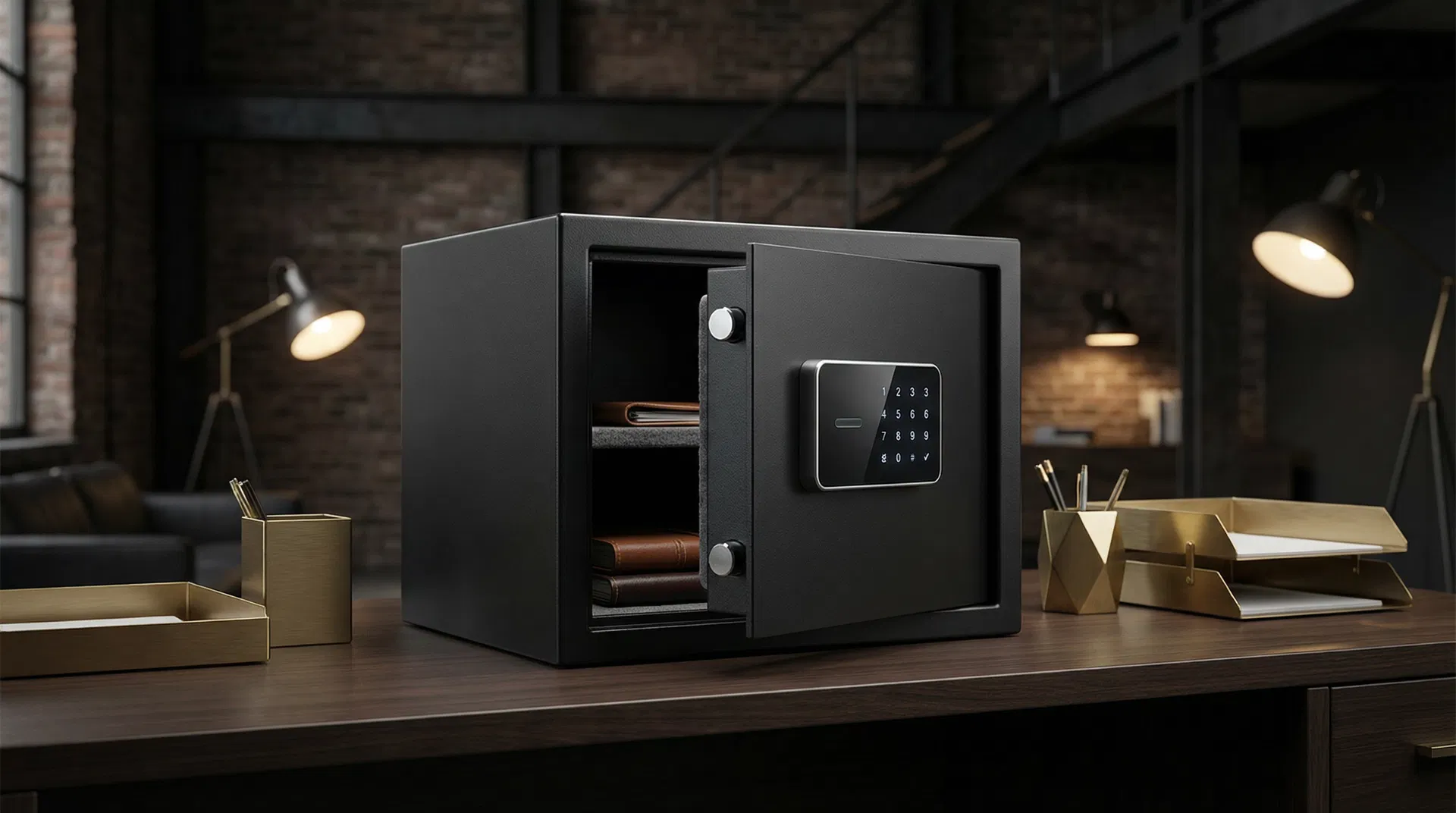
Anti-theft Safe: What Makes a Safe Truly Burglar-Resistant?
An anti-theft safe is a sophisticated security solution designed to protect valuables from unauthorized access and burglary. This guide helps European wholesale buyers understand what makes an anti-theft safe truly burglar-resistant, covering construction, certification, and testing.
What is an Anti-theft Safe?
An anti-theft safe is a robust, lockable container engineered to deter and withstand forced entry. Constructed from durable materials with advanced locking mechanisms, its primary purpose is to safeguard cash, documents, jewelry, and other high-value items against theft, providing peace of mind for businesses and individuals.
What Is an Anti-theft Safe?
An anti-theft safe is a specialized security unit built to resist various attacks like prying, drilling, cutting, and explosives. Its effectiveness hinges on design, materials, and rigorous testing. Wholesale buyers must recognize key features contributing to a safe's burglar resistance for informed purchasing.
Understanding the Core of an Anti-theft Safe
The core function of an anti-theft safe is to create a formidable barrier against intrusion through physical strength, intelligent design, and reliable locking systems. The goal is to deter burglars by making attempts difficult and time-consuming, a hallmark of a high-quality anti-theft safe.
Anti-theft Safe Construction: Steel, Bolts & Anchors
The physical construction of an anti-theft safe is its primary defense. Material choice, steel thickness, door/frame design, and anchoring are critical for attack resistance. Shonelea, a leading Hengshui manufacturer, crafts safes meeting stringent security standards.
The Role of Steel Thickness in Anti-theft Safe Design
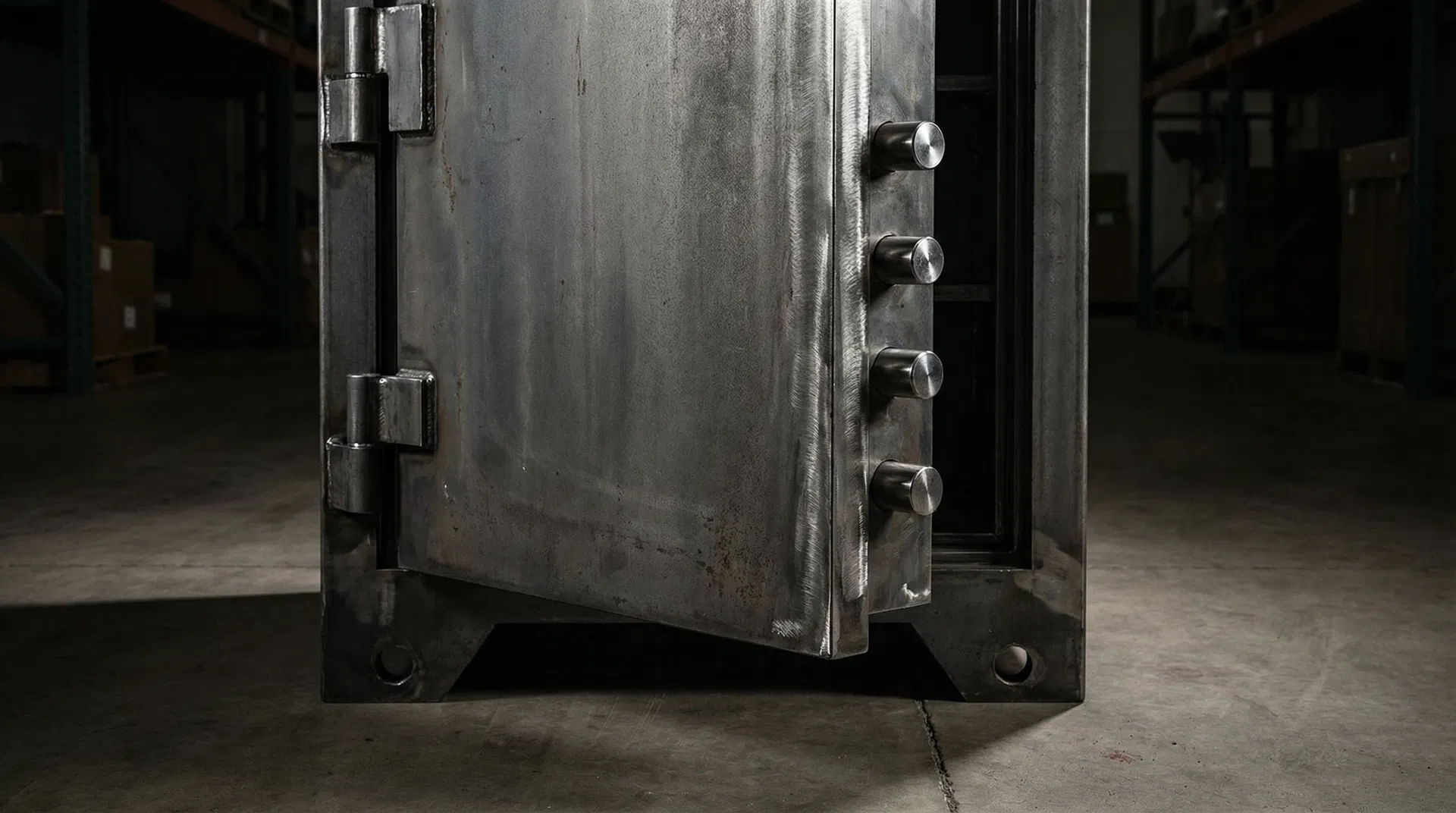
The thickness and type of steel are fundamental to an anti-theft safe's resistance. High-grade steel, often with composites, forms the body and door. High-security anti-theft safes feature 10mm-20mm solid steel doors and multi-layered body walls with proprietary barrier materials. This multi-layered approach significantly increases resistance to drilling, cutting, and prying, with steel quality, tensile strength, and hardness contributing to overall integrity.
Securing the Anti-theft Safe: Bolts and Locking Mechanisms
Beyond the steel shell, the locking mechanism and bolt work are crucial for an anti-theft safe. Modern anti-theft safes use robust, multi-directional solid steel bolt systems (often >25mm diameter) that engage into the safe's body. Bolt number and distribution enhance forced entry resistance. Advanced locking systems, like VdS-certified electronic or high-security key locks, add protection. Many Shonelea anti-theft safes include re-lockers, automatically securing the safe if the primary lock is attacked.
Anchoring Your Anti-theft Safe for Maximum Security
Even the most robust anti-theft safe needs proper anchoring. Burglars often remove safes to open them elsewhere. Anti-theft safes have pre-drilled anchor points for secure bolting to the floor or wall. Heavy-duty anchor bolts into concrete or structural wood are recommended. Proper anchoring significantly increases removal time and effort, making the anti-theft safe a less appealing target – a critical, often overlooked, installation aspect.
Anti-theft Safe Certification: EN 1143-1 Grades Explained
For European wholesale buyers, understanding certification is vital for an anti-theft safe. EN 1143-1 is the most recognized European standard for burglar-resistant safes, providing a clear classification system based on resistance to attack methods and tools. Compliance ensures rigorous independent testing.
Decoding EN 1143-1 for Anti-theft Safe Selection
EN 1143-1 classifies anti-theft safes into grades (0 to VI+) with corresponding cash and valuables cover. Testing involves skilled technicians using tools from hand tools to thermal lances to gain access. Time and tools determine the safe's resistance unit (RU) value and grade. Higher grades mean greater resistance and higher insurance ratings. For example, a Grade I anti-theft safe offers significantly more protection than a Grade 0, reflecting enhanced construction and security.
Comparison Table: EN 1143-1 Anti-theft Safe Grades
To clarify, the table below outlines typical cash ratings and resistance levels for EN 1143-1 anti-theft safe grades. These ratings are crucial for businesses to ensure adequate insurance coverage.
| EN 1143-1 Grade | Cash Rating (EUR) | Valuables Rating (EUR) | Typical Attack Resistance |
|---|---|---|---|
| Grade 0 | 6,000 | 60,000 | Basic hand tools |
| Grade I | 10,000 | 100,000 | Hand tools, limited power tools |
| Grade II | 17,000 | 170,000 | Advanced hand tools, some power tools |
| Grade III | 35,000 | 350,000 | Power tools, cutting tools |
| Grade IV | 55,000 | 550,000 | High-power tools, thermal tools |
| Grade V | 75,000 | 750,000 | Sophisticated power and thermal tools |
Note: Cash and valuables ratings are indicative and may vary based on insurer and specific policy terms.
How to Test an Anti-theft Safe
While independent bodies conduct official testing, understanding anti-theft safe testing methods offers valuable security insight. These tests simulate real-world burglary attempts, pushing defenses to limits, helping buyers appreciate the engineering behind a truly burglar-resistant anti-theft safe.
Common Attack Methods Against Anti-theft Safe Units
Burglars attack an anti-theft safe using prying, drilling, cutting (angle grinders, torches), and explosives. A well-designed anti-theft safe counters these with features like drill-resistant hard plates and explosive-resistant materials in high-security models. Understanding these attack vectors highlights the robust construction of a quality anti-theft safe.
The Importance of Independent Anti-theft Safe Testing
Independent testing by accredited laboratories is paramount for verifying anti-theft safe security claims. Organizations like VdS (Germany) or UL (United States) conduct rigorous tests beyond simple specifications. These tests ensure the anti-theft safe withstands sustained attacks with defined tools and techniques for a specified period. This independent validation objectively proves burglar resistance, assuring wholesale buyers and end-users. Without such testing, anti-theft safe claims would be unsubstantiated.
Shonelea Anti-theft Safe Range for Wholesale Buyers
Shonelea, a renowned Hengshui-based manufacturer, specializes in high-quality anti-theft safe products for the European B2B wholesale market. Our commitment to innovation, precision engineering, and international security standards ensures unparalleled protection. We offer a comprehensive range of anti-theft safes to meet diverse security requirements and budgets of our wholesale partners.
Why Choose Shonelea for Your Anti-theft Safe Needs
Choosing Shonelea means partnering with a manufacturer prioritizing security, durability, and customer satisfaction. Our anti-theft safe products, built with advanced materials and cutting-edge technology, ensure superior resistance to sophisticated attacks. We rigorously test our safes to meet or exceed European standards like EN 1143-1, providing certified products. Our global market experience allows competitive pricing without compromising quality, making Shonelea anti-theft safes a smart investment. We also support our fireproof safe and hotel safe product lines, ensuring a complete security solution portfolio.
Exploring Shonelea's Diverse Anti-theft Safe Offerings
Our extensive catalog of anti-theft safe solutions caters to diverse applications, from small office safes to large commercial vaults. Each anti-theft safe features multi-layered steel construction, advanced re-locking devices, and sophisticated electronic or mechanical locking systems. We offer various sizes and configurations, including models with internal compartments, adjustable shelving, and specialized media protection. Whether clients need a compact anti-theft safe for documents or a high-security vault for cash, Shonelea combines robust protection with practical functionality. Explore our data safe options for digital asset protection.
Frequently Asked Questions About Anti-theft Safes
Q: What is the primary purpose of an Anti-theft Safe?
A: The primary purpose of an anti-theft safe is to provide a secure storage solution deterring and withstanding forced entry. It protects valuable assets like cash, documents, and jewelry from theft, offering enhanced security beyond basic storage units, ensuring peace of mind.
Q: How does EN 1143-1 certification impact an Anti-theft Safe's security?
A: EN 1143-1 certification is a critical European standard rigorously testing an anti-theft safe against attack methods. It assigns a grade (e.g., Grade 0-V) based on resistance, directly correlating to its insurance cash rating. A higher EN 1143-1 grade signifies superior burglar resistance and greater protection.
Q: Can an Anti-theft Safe also protect against fire?
A: While some anti-theft safe models offer dual theft and fire protection, not all are inherently fireproof. Fire resistance is indicated by separate certifications like EN 1047-1 or UL 72, specifying duration and temperature resistance. For fire protection, select an anti-theft safe explicitly rated for fire resistance.
Q: What are the key construction features of a high-quality Anti-theft Safe?
A: A high-quality anti-theft safe features multi-layered steel construction, often with composite barrier materials, a robust multi-directional bolt work system, and advanced locking mechanisms (e.g., VdS-certified electronic locks). Drill-resistant hard plates, re-locking devices, and strong anchoring points are essential for overall burglar resistance.
Q: Why is proper anchoring important for an Anti-theft Safe?
A: Proper anchoring is crucial for an anti-theft safe to prevent burglars from removing it. Securely bolting the anti-theft safe to the floor or wall significantly enhances its resistance to attack, making it much harder and time-consuming for intruders to steal the safe and its contents, maximizing its protective capabilities.
References:
[1] European Committee for Standardization. EN 1143-1: Secure storage units - Requirements, classification and methods of test for resistance to burglary - Part 1: Safes, ATM safes, strongroom doors and strongrooms. (2019). [2] Underwriters Laboratories. UL 72: Standard for Tests for Fire Resistance of Record Protection Equipment. (2015). [3] VdS Schadenverhütung GmbH. VdS 2450: Requirements for Safes. (2018).