How to Start a Safe Import Business from China to Europe: Step-by-Step Guide
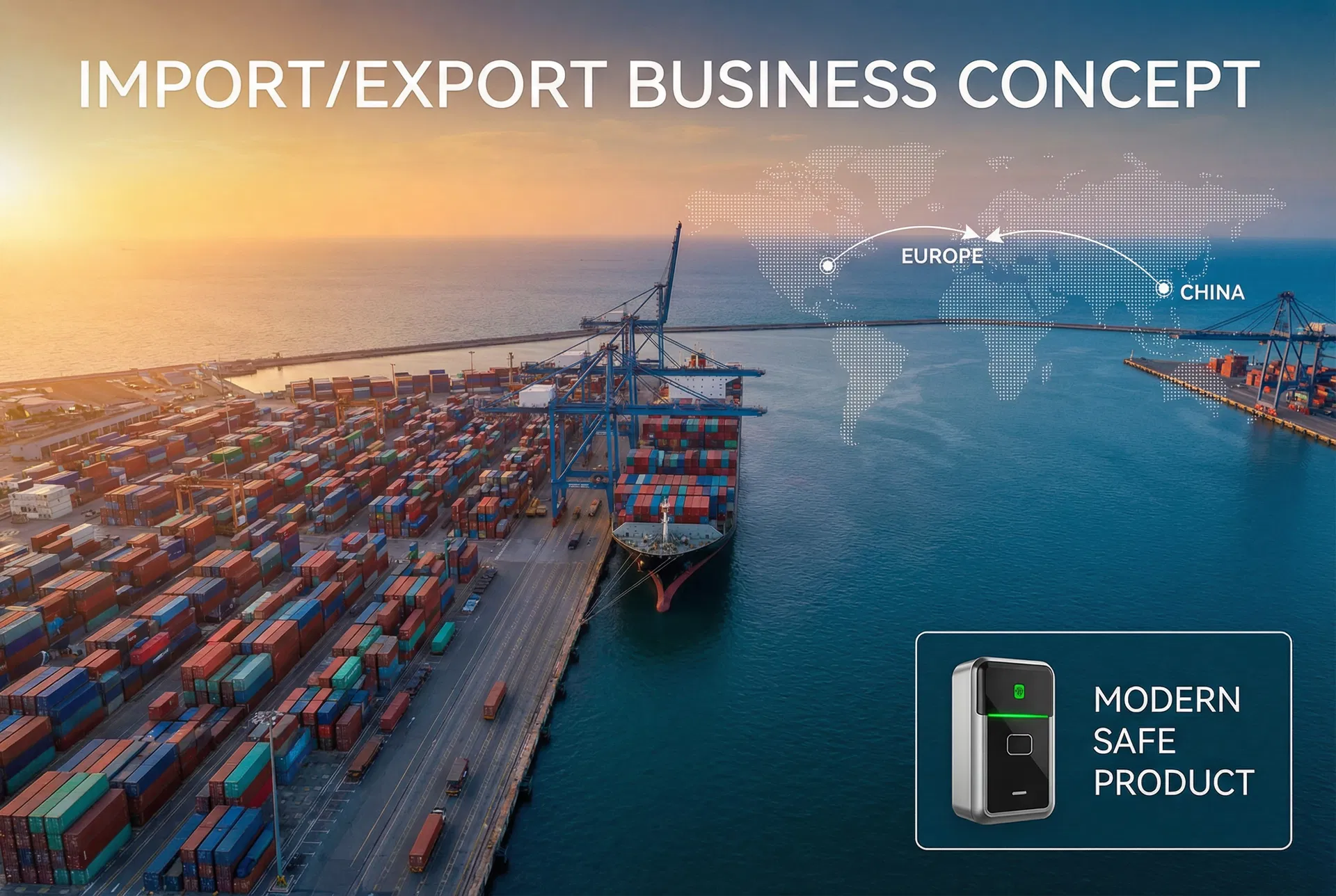
Starting a safe import business from China to Europe can be a highly profitable venture, given the consistent demand for security solutions across various sectors. This guide provides new European importers and entrepreneurs with a practical, step-by-step approach to navigate the complexities of sourcing and importing safes, ensuring compliance and profitability.
Why Import Safes from China?
China has long been recognized as a global manufacturing powerhouse, offering unparalleled cost-effectiveness and advanced production capabilities. For security products like safes, this translates into competitive pricing without compromising on quality, especially when partnering with reputable manufacturers. Importers gain access to a diverse range of products, including electronic safes, fireproof safes, biometric safes, and hotel safes, catering to a broad market spectrum. Manufacturers like Shonelea, based in Hengshui, exemplify this blend of quality and efficiency, providing comprehensive OEM/ODM services that empower businesses to offer customized security solutions to their European clientele.
Finding a Reliable Chinese Safe Manufacturer
The cornerstone of a successful safe import business is establishing a partnership with a reliable Chinese safe manufacturer. This requires meticulous due diligence. Key criteria for selection include: a proven track record, substantial production capacity to meet demand, stringent quality control processes, and a commitment to international certifications. Engaging with manufacturers who offer transparent communication and robust support for first-time importers, such as Shonelea, can significantly mitigate risks. Shonelea, for instance, specializes in assisting new importers with their OEM/ODM requirements, ensuring products meet specific market demands and regulatory standards.
Understanding Certifications and Standards for Importing Safes
Navigating the regulatory landscape is crucial when importing safes into Europe. Compliance with European standards is not just a legal requirement but also a mark of quality and reliability. A critical aspect is understanding and verifying certifications.
What is CE Certification?
CE Certification (Conformité Européenne) is a mandatory conformity marking for products placed on the market in the European Economic Area (EEA). It signifies that a product meets the essential health, safety, and environmental protection requirements of relevant European directives. For safes, CE marking ensures that the product complies with specific safety standards, making it legal to sell within the EU. Verifying CE certification import status is a non-negotiable step for any importer.
Beyond CE, specific European standards dictate the resistance levels of safes against burglary and fire. The EN 1143-1 certified standard, for example, specifies requirements for safes, strongroom doors, and strongrooms regarding their resistance to burglary. This standard categorizes safes into different grades (e.g., Grade 0 to Grade VI), each indicating a varying level of protection and cash rating. For instance, a Grade I safe offers a higher level of security than a Grade 0. Similarly, fire resistance is often measured against standards like UL 72 Class 350, which certifies that a safe can protect paper documents for a specified duration (e.g., 30 minutes) at extreme temperatures, such as 1,200°C for 30 minutes [1]. Understanding these specific standards is vital for accurately marketing and selling safes in the European market.
Negotiation and Ordering for Safe Wholesale Import
Once a suitable manufacturer is identified, the next phase involves negotiation and placing orders. For safe wholesale import, understanding Minimum Order Quantity (MOQ) is paramount. MOQs can vary significantly between manufacturers and product types. Negotiating favorable MOQs, especially for new businesses, can be achieved by demonstrating long-term commitment or by ordering a diversified range of products. Customization options, including OEM (Original Equipment Manufacturer) and ODM (Original Design Manufacturer) services, allow importers to brand products under their own label or even develop unique designs. Shonelea excels in providing flexible OEM/ODM solutions, enabling European buyers to differentiate their offerings. Clear communication regarding payment terms, production timelines, and contractual agreements is essential to avoid future discrepancies.
Shipping and Customs Clearance for Safes
The logistics of shipping and customs clearance safes from China to Europe can be complex but manageable with proper planning. Understanding Incoterms (International Commercial Terms) is fundamental. Common Incoterms include:
| Incoterm | Description | Importer's Responsibility |
|---|---|---|
| FOB (Free On Board) | Seller delivers goods on board the vessel nominated by the buyer. | Buyer responsible for main carriage, insurance, and all costs/risks once goods are on board. |
| CIF (Cost, Insurance and Freight) | Seller pays for cost and freight to bring goods to port of destination. | Buyer responsible for import customs clearance, duties, and risks once goods are loaded. |
| EXW (Ex Works) | Seller makes goods available at their premises. | Buyer bears all costs and risks involved in taking the goods from the seller's premises to the desired destination. |
Choosing a reliable freight forwarder with experience in handling security products is highly recommended. They can assist with documentation, optimize shipping routes, and manage customs procedures. Essential documentation includes the commercial invoice, packing list, bill of lading, and certificate of origin. Furthermore, importers must be aware of applicable customs duties and Value Added Tax (VAT) in their respective European countries, which can significantly impact the final cost of goods.
Quality Inspection and After-Sales Support
Ensuring the quality of imported safes is critical for customer satisfaction and brand reputation. A pre-shipment inspection (PSI) conducted by an independent third party or the importer's representative is highly advisable. This inspection verifies that the products meet agreed-upon specifications and quality standards before they leave the factory. Establishing clear communication channels with the manufacturer for after-sales support and warranty claims is equally important. A reputable manufacturer will stand behind their products and offer assistance with any issues that may arise.
How Shonelea Supports First-Time Importers
Shonelea, a leading safe manufacturer based in Hengshui, China, is dedicated to simplifying the import process for European B2B wholesale buyers. They offer comprehensive support, guiding first-time importers from product selection and customization through to shipping and after-sales service. Their expertise in OEM/ODM capabilities ensures that businesses can procure safes tailored to their specific market needs, whether it's for specialized electronic safes or robust fireproof safes. Shonelea's commitment to quality assurance and adherence to international standards, including EN 1143-1, provides peace of mind, making them an ideal partner for those looking to import safes from China to Europe.
Conclusion
Embarking on a safe import business from China to Europe presents a lucrative opportunity. By diligently following a step-by-step approach—from selecting a reliable Chinese safe manufacturer and understanding crucial certifications like CE and EN 1143-1, to mastering negotiation, shipping, and customs clearance—new importers can build a successful and sustainable venture. Partnering with experienced manufacturers like Shonelea can provide invaluable support, ensuring a smooth and compliant import journey.
Frequently Asked Questions
What is the typical lead time for importing safes from China? Lead times can vary significantly based on order size, customization requirements, and shipping methods. Generally, it ranges from 30 to 60 days for production, plus an additional 20-40 days for sea freight to Europe. Air freight is faster but considerably more expensive.
How can I verify a Chinese manufacturer's certifications? Always request copies of relevant certifications (e.g., CE, EN 1143-1, UL). Cross-reference these with the issuing bodies' databases or engage a third-party inspection agency to verify their authenticity and validity. Reputable manufacturers will readily provide this documentation.
What are the most common challenges in customs clearance for safes? Common challenges include incorrect documentation, misclassification of goods, and unexpected duties or taxes. Ensuring all paperwork is accurate, complete, and compliant with EU regulations, and working with an experienced freight forwarder, can mitigate these issues.
Can I customize safes with my own branding when importing from China? Yes, many Chinese manufacturers, including Shonelea, offer OEM (Original Equipment Manufacturer) and ODM (Original Design Manufacturer) services. This allows you to brand safes with your company logo, specify unique features, or even develop entirely new designs to meet your market's demands.
What are the benefits of partnering with a manufacturer like Shonelea? Partnering with Shonelea offers benefits such as access to high-quality, certified safes, competitive pricing, comprehensive OEM/ODM support, and guidance through the import process. Their expertise helps first-time importers navigate complexities and ensures product compliance and market readiness.
References
[1] Underwriters Laboratories. (n.d.). UL 72 Standard for Tests for Fire Resistance of Record Protection Equipment. Retrieved from https://www.ul.com/