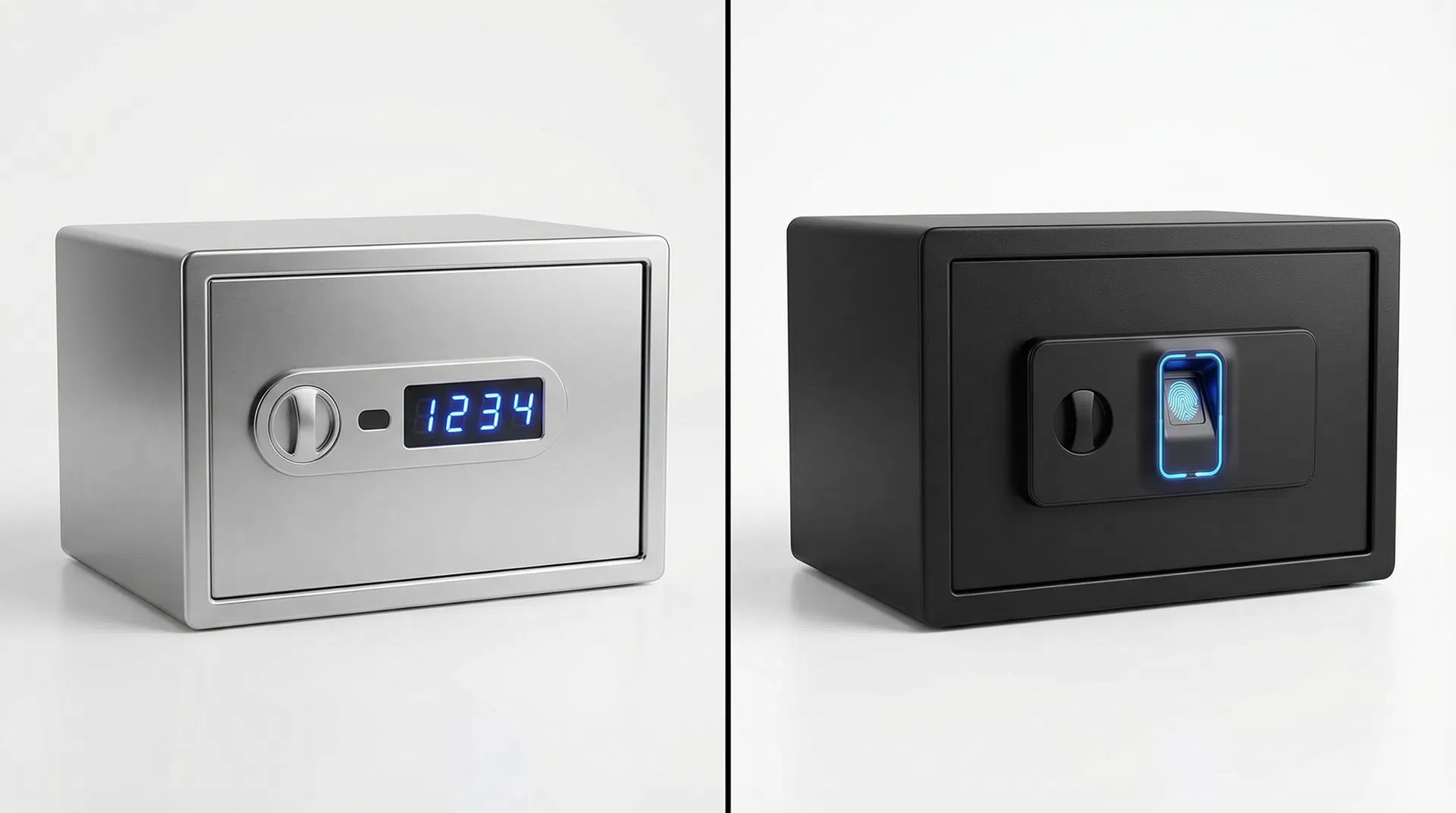
META: Compare electronic safeboxes and biometric safes for European wholesalers. Learn about technology, reliability, price, and market suitability for digital safe wholesale. SLUG: electronic-safebox-vs-biometric-safe-wholesale-buyers-guide IMAGE: A professional, clean image depicting a split screen. On one side, a sleek electronic keypad safebox with a glowing digital display. On the other side, a modern biometric safe with a subtle fingerprint scanner illuminated. Both safes are shown in a secure, commercial setting, perhaps a warehouse or a retail store display, with a subtle European map overlay in the background. The image should convey security, technology, and a B2B focus. CATEGORY: Buying Guide
Electronic Safebox vs. Biometric Safe: A Complete Buyer's Guide for European Wholesalers
Introduction
In the competitive European market, security solutions for valuables are paramount. For wholesalers and importers, selecting the right type of safe to offer clients—whether for retail, commercial, or residential use—requires a deep understanding of available technologies, their benefits, and their suitability for diverse market needs. This comprehensive guide delves into the distinctions between electronic safeboxes and biometric safes, providing essential insights for making informed purchasing decisions in the digital safe wholesale sector. We will explore the technological underpinnings, reliability, price points, and ideal applications for each, ensuring you can confidently cater to your European clientele.
Understanding Electronic Safebox Technology
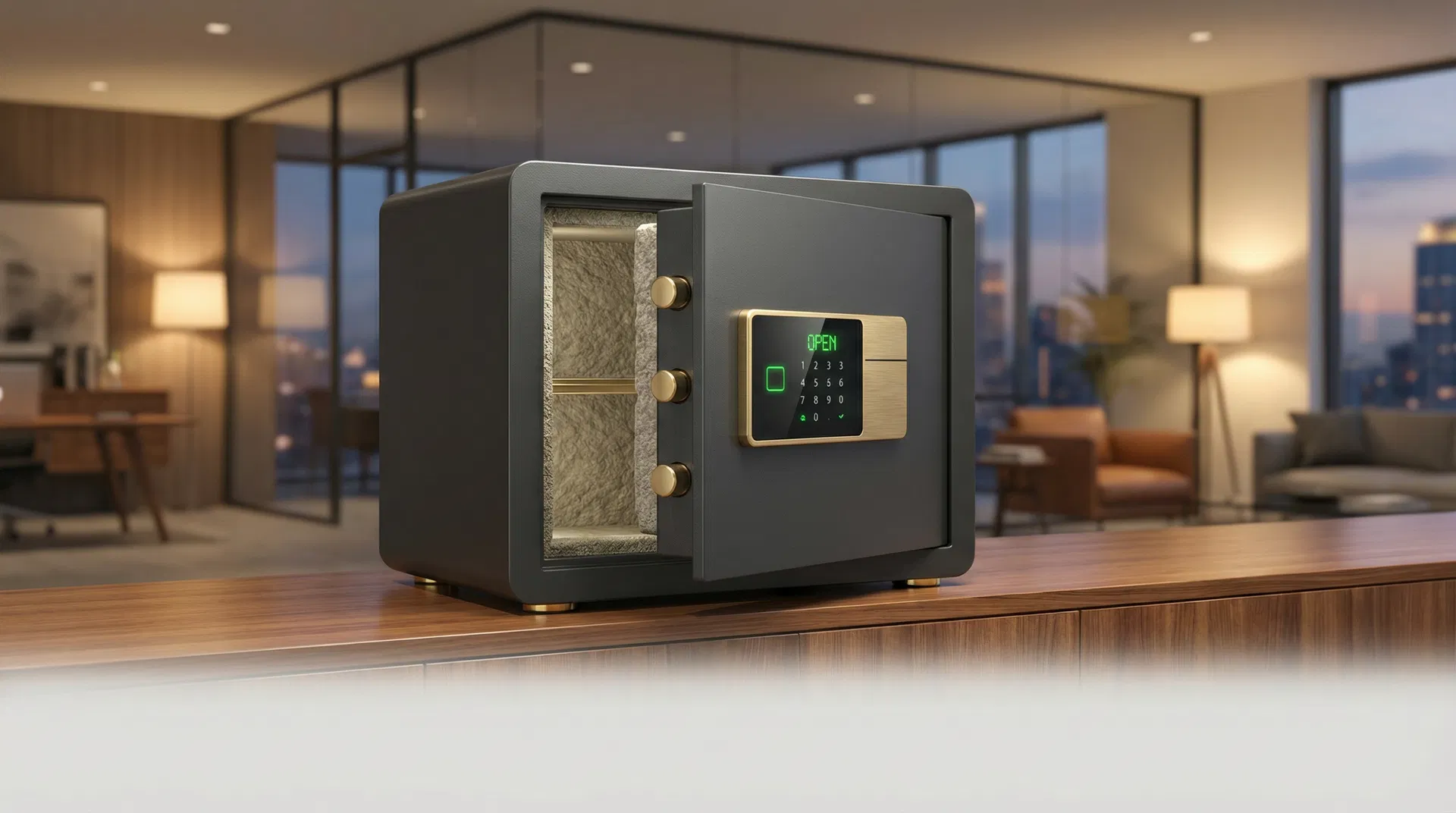
Electronic safeboxes, often referred to as digital safes, utilize an electronic keypad for access. Users typically program a multi-digit code, which, when entered correctly, disengages the locking mechanism. This technology has become a staple in security due to its convenience and ease of use. Modern electronic safeboxes feature robust keypads, often backlit for visibility, and can include features such as tamper alarms, multiple user codes, and emergency override keys. For the digital safe wholesale market, these safes represent a cost-effective and widely accepted security solution.
Key Features and Benefits:
- Ease of Use: Simple numeric code entry makes them user-friendly for a broad demographic.
- Cost-Effectiveness: Generally more affordable than biometric alternatives, making them attractive for volume purchases.
- Versatility: Suitable for various applications, from hotel rooms to small businesses and homes.
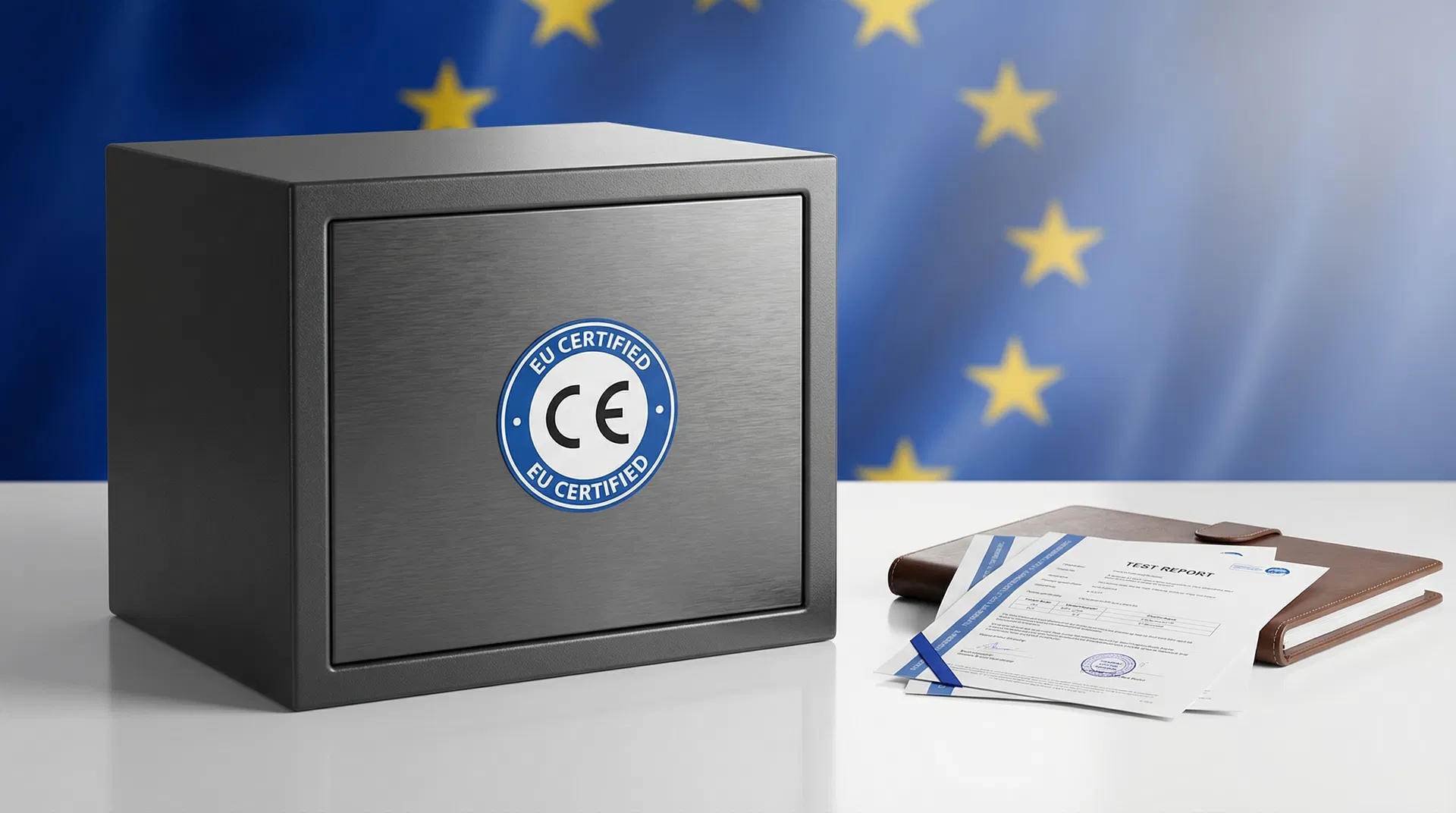
- Reliability: Established technology with proven durability, especially models from reputable manufacturers like Shonelea, which are CE certified for European market compliance.
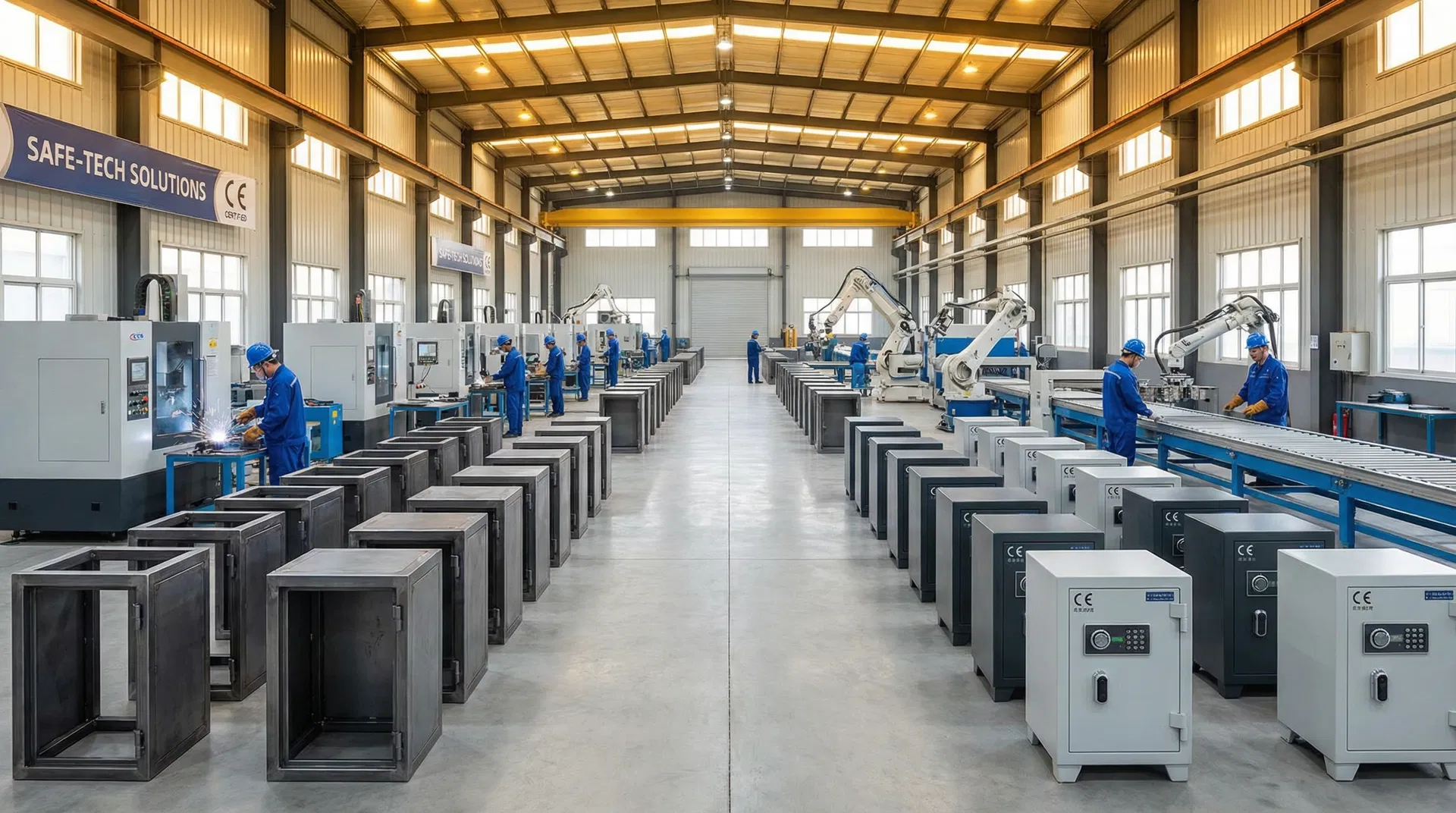
- OEM/ODM Availability: Shonelea, a professional safebox/safe manufacturer based in Hengshui, China, offers OEM/ODM services, allowing wholesalers to customize designs and branding to meet specific market demands.
Considerations:
- Code Management: Users must remember their codes, and forgotten codes can lead to lockout situations (though emergency keys or master codes often provide a solution).
- Security Vulnerabilities: While secure, codes can potentially be compromised through observation (shoulder surfing) or brute-force attempts if not adequately complex.
Exploring Biometric Safe Technology
Biometric safes represent the cutting edge of personal security, utilizing unique biological characteristics—most commonly fingerprints—for access. Instead of remembering a code, users simply place a registered finger on a scanner, and if the print matches, the safe unlocks. This technology offers unparalleled convenience and a high level of security, as fingerprints are virtually impossible to replicate or forget. The demand for biometric safe solutions is growing, particularly in markets where advanced security and quick, hassle-free access are prioritized.
Key Features and Benefits:
- Enhanced Security: Fingerprints are unique to individuals, significantly reducing the risk of unauthorized access compared to shared codes.
- Convenience: No codes to remember or keys to carry, offering instant access for authorized users.
- Multiple Users: Most biometric safes can store multiple fingerprints, allowing several authorized individuals to access the safe.
- Audit Trails: Advanced models can log access attempts, providing a valuable security audit trail.
- Market Appeal: Positioned as a premium security product, appealing to tech-savvy consumers and businesses seeking advanced solutions.
Considerations:
- Higher Price Point: Biometric technology is more complex, leading to a higher manufacturing cost and, consequently, a higher wholesale price.
- Environmental Factors: Fingerprint scanners can sometimes be affected by dirt, moisture, or minor injuries to the finger, potentially leading to failed access attempts.
- Technological Perception: While highly reliable, some users may perceive biometric technology as overly complex or prone to malfunction, though modern sensors are extremely robust.
Reliability and Security: A Comparative Analysis
When evaluating electronic safeboxes and biometric safes for the European wholesale market, reliability and security are paramount. Both types offer significant protection, but their strengths lie in different areas.
Electronic safeboxes provide a robust and time-tested security mechanism. Their reliability stems from the simplicity of the keypad system and the maturity of the technology. High-quality electronic safes, especially those from a trusted digital safe wholesale supplier like Shonelea, are built with durable components and undergo rigorous testing to ensure consistent performance. The risk of electronic failure is minimal, and most units include backup power options and manual override keys to prevent lockout.
Biometric safes, on the other hand, offer a different layer of security. The uniqueness of a fingerprint makes unauthorized access extremely difficult. Modern biometric sensors are highly accurate and fast, capable of distinguishing between live and fake prints. While early biometric technology had some reliability concerns related to environmental factors or sensor quality, contemporary biometric safe models have largely overcome these issues. For European markets, ensuring products are CE certified is crucial, guaranteeing they meet stringent health, safety, and environmental protection standards.
From a security perspective, the primary difference lies in the access method. A code can be shared or forgotten, while a fingerprint is inherently personal. However, the overall security of any safe also depends on its physical construction, locking bolts, and resistance to forced entry. Shonelea's safes, manufactured factory direct from Hengshui China, are designed with robust steel construction and advanced locking mechanisms, providing superior physical security regardless of the access technology.
Price Points and Market Suitability for European Retailers
Understanding the price points and market suitability is critical for European wholesalers aiming to maximize their product offerings and profitability. The choice between an electronic safebox and a biometric safe often comes down to balancing cost, features, and target consumer demographics.
Electronic safeboxes generally occupy a more accessible price point. This makes them ideal for a broad range of European retailers, including general merchandise stores, hardware shops, and budget-conscious consumers. Their affordability allows wholesalers to purchase in larger volumes, benefiting from economies of scale and offering competitive pricing. They are well-suited for markets where practicality, ease of use, and value are key drivers. For example, hotels often prefer electronic safes for guest rooms due to their straightforward operation and lower maintenance costs. The availability of OEM/ODM options from Shonelea further enhances their appeal, allowing for tailored solutions that can penetrate specific market niches across Europe.
Biometric safes, while offering advanced security and convenience, come with a higher price tag. This positions them as premium products, targeting a more discerning segment of the European market. Luxury retailers, high-end electronics stores, and consumers prioritizing cutting-edge technology and maximum security are the primary audience for biometric safe solutions. These safes are particularly attractive for securing high-value items, sensitive documents, or firearms, where the added cost is justified by enhanced peace of mind and sophisticated access control. Wholesalers can leverage the premium perception of biometric technology to achieve higher margins and cater to clients seeking top-tier security products.
When considering digital safe wholesale strategies for Europe, it's essential to analyze regional preferences. Some European countries may have a higher demand for advanced biometric solutions due to cultural emphasis on privacy and security, while others might favor the proven reliability and cost-effectiveness of electronic keypads. Offering a diverse range from a manufacturer like Shonelea, which provides both types of safes with CE certified quality, allows wholesalers to effectively address the varied needs of the European market.
FAQ Section
Q1: What are the primary advantages of an electronic safebox for a European household?
A1: Electronic safeboxes offer significant advantages for European households, primarily their ease of use and affordability. Users can quickly access their valuables by entering a simple code, eliminating the need to carry or hide keys. This convenience, combined with a generally lower price point, makes them an excellent choice for securing everyday items, important documents, and smaller valuables. Shonelea's electronic safes are also CE certified, ensuring they meet European safety standards.
Q2: How secure are biometric safes against unauthorized access?
A2: Biometric safes provide a very high level of security against unauthorized access. They rely on unique biological identifiers, such as fingerprints, which are extremely difficult to replicate. Modern biometric scanners are highly accurate and incorporate advanced technology to prevent spoofing. This makes them a superior choice for securing highly sensitive items or for users who prioritize cutting-edge security features. The personal nature of biometric access also means there's no code to be forgotten or compromised.
Q3: Can Shonelea provide customized electronic or biometric safes for my wholesale business?
A3: Yes, Shonelea, as a professional safebox/safe manufacturer factory direct from Hengshui China, specializes in OEM/ODM services. This means wholesalers can work directly with Shonelea to customize both electronic safeboxes and biometric safes according to specific design requirements, branding, and feature sets. This flexibility allows businesses to create unique product lines that perfectly match the demands of their target European retail markets.
Q4: What certifications should I look for when importing digital safes into Europe?
A4: When importing digital safe wholesale products into Europe, the most crucial certification to look for is CE certification. This mark indicates that the product complies with European Union safety, health, and environmental protection directives. Additionally, certifications related to specific security standards (e.g., EN 14450 for security safes or EN 1143-1 for high-security safes) are highly beneficial and can enhance market acceptance and consumer trust. Shonelea ensures its products meet these essential European compliance standards.
Q5: What is the typical lifespan and maintenance requirement for these types of safes?
A5: Both electronic safeboxes and biometric safes from reputable manufacturers like Shonelea are designed for long lifespans, often exceeding a decade with proper care. Maintenance is generally minimal. For electronic safes, it primarily involves periodically replacing batteries and ensuring the keypad is clean. For biometric safes, keeping the fingerprint scanner clean is important for optimal performance. Regular checks of the locking mechanism and hinges are also recommended for both types to ensure continued smooth operation.
Conclusion
Choosing between an electronic safebox and a biometric safe for your European wholesale inventory hinges on a clear understanding of your target market's needs, budget, and security priorities. Electronic safeboxes offer a reliable, cost-effective, and user-friendly solution, ideal for broad market appeal and volume sales. Biometric safes, while a higher investment, provide advanced security, unparalleled convenience, and a premium offering for discerning customers seeking cutting-edge technology.
As a trusted partner in the digital safe wholesale industry, Shonelea, a professional safebox/safe manufacturer factory direct from Hengshui China, is committed to providing high-quality, CE certified security solutions. With extensive OEM/ODM capabilities, we empower European wholesalers and importers to tailor products that perfectly align with their market strategies. By offering a diverse range of both electronic and biometric safes, you can effectively cater to the varied demands of the European retail landscape, ensuring both profitability and customer satisfaction.
Contact Shonelea today to discuss your wholesale needs and explore our range of security solutions. Email us at [email protected] or visit shonelea.com.