Biometric Safe Technology: How Fingerprint Safes Work & Who Needs One
A biometric safe offers unparalleled security by using your unique fingerprint for access. This guide explains how this technology works, its benefits over other safes, and who they are for. We'll cover the core technology, ideal use cases in hotels, offices, and homes, and why a Shonelea model is a superior choice for protecting your most valuable assets.
What Is a Biometric Safe?
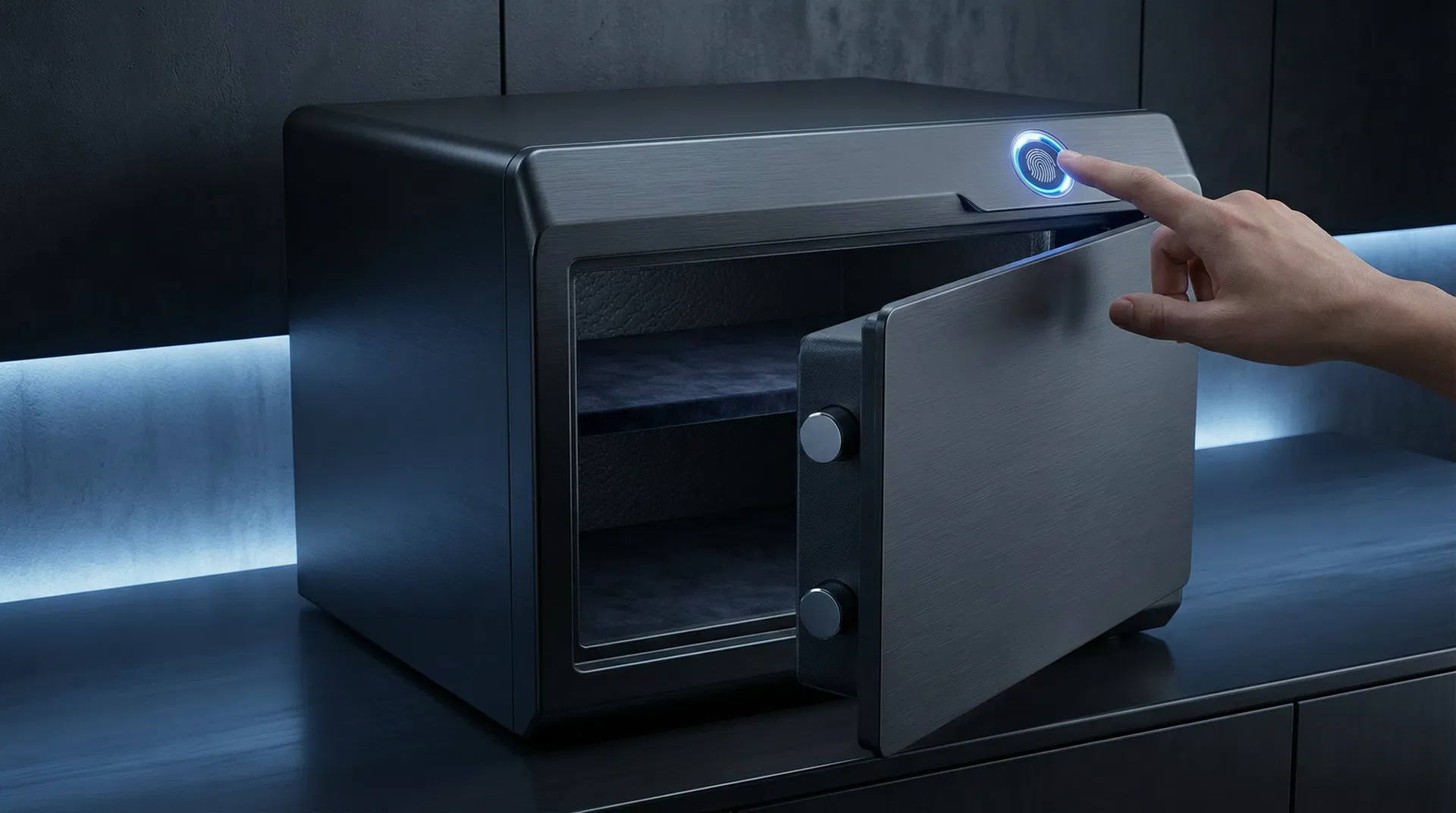
A biometric safe is a security container that uses biological characteristics, like fingerprints, for authentication. Instead of a key or code, it grants access through a simple touch, eliminating the risk of lost keys or forgotten combinations. This provides a robust and personal layer of protection for everything from sensitive documents to precious jewelry. The essence of such a device is its ability to scan, save, and recognize authorized fingerprints, ensuring only approved users get access.
The Core Principle of a Biometric Safe
At its heart, a biometric safe operates on pattern recognition. When you first enroll your print, the system captures unique data points—minutiae—from the print. These points are converted into a digital template. During subsequent access attempts, the safe compares the new scan to the stored templates. A match unlocks the safe in under a second, providing swift and secure entry.
How Biometric Safe Fingerprint Sensors Work
Biometric safe fingerprint sensors are critical components enabling secure access. Primarily, two types of fingerprint scanning technologies are employed in modern security solutions: optical and capacitive. Understanding their differences is key to appreciating the security and reliability of these devices.
Optical Biometric Safe Sensors
Optical sensors use an LED to light up your fingerprint, and a small camera takes a digital picture. The system analyzes the image, turning the ridges and valleys of your print into a digital pattern. While effective and common, an optical sensor can be less secure against high-quality fake fingerprints. However, advancements have significantly improved their security, making them a viable option for many biometric applications.
Capacitive Biometric Safe Sensors
Capacitive sensors use a small electrical charge to map your fingerprint. The ridges of your finger touch the sensor, changing the charge, while the valleys do not. This creates a precise electrical map of your print. A capacitive sensor is significantly more secure because it requires a live, conductive finger, making it extremely difficult to fool with a fake print. This technology is preferred for high-security biometric applications.
Biometric Safe Accuracy and User Storage
A key measure of a biometric safe is its accuracy, defined by its False Acceptance Rate (FAR) and False Rejection Rate (FRR). A low FAR (e.g., 1 in 100,000) means it’s extremely unlikely an unauthorized person can open the safe. Many models, including those from Shonelea, can store up to 100 fingerprints, making them perfect for multi-user environments like offices or homes.
Backup Access for a Biometric Safe
Even with reliable technology, every biometric safe needs a backup plan. Shonelea models include backup access options like a traditional key or a digital keypad. This ensures you can always access your valuables, even if the batteries run out or the sensor is damaged, providing complete peace of mind.
Biometric Safe vs Electronic Safe: Key Differences
When choosing a modern safe, the decision often comes down to a biometric safe versus a standard electronic one. The main difference is the access method.
| Feature | Biometric Safe | Electronic Safe |
|---|---|---|
| Access Method | Fingerprint Scan | PIN Code |
| Convenience | Instant, keyless access | Requires remembering a code |
| Security | High (unique biological trait) | Moderate (code can be shared/stolen) |
| Multi-User | Easy fingerprint enrollment | Can be complex to manage codes |
A biometric safe offers superior convenience and security. Your fingerprint is always with you and cannot be easily replicated or stolen like a PIN code. For businesses that need to grant access to multiple users, managing fingerprints in these devices is far simpler than managing a list of codes.
Best Biometric Safe Use Cases: Hotels, Offices & Homes
The unique advantages of a biometric safe make it a versatile security solution for various environments.
Biometric Safe for Hotels
For hotels, a biometric safe enhances guest security and convenience. Guests can secure their valuables without worrying about a key or code. This improves their experience and reduces the hotel's liability. Such a safe is a modern amenity that signals a commitment to guest safety.
Biometric Safe for Offices
In an office, a biometric safe protects sensitive documents, electronics, and data. Access can be restricted to authorized personnel, with multi-user models allowing for a clear audit trail. This is essential for departments like HR or finance. Using such a safe helps enforce data security policies and protects company assets.
Biometric Safe for Homes
A biometric safe is an ideal choice for home security, protecting firearms, jewelry, and important documents. The quick-access feature is critical in emergencies, and the keyless design prevents children from accessing dangerous items. A Shonelea safe provides homeowners with a reliable and sophisticated way to protect what matters most.
Shonelea Biometric Safe Product Line
As a leading safe manufacturer in Hengshui, China, Shonelea provides premium biometric safe solutions for European B2B wholesale buyers. Our products are built on innovation, reliability, and strict adherence to international standards.
Advanced Features of a Shonelea Biometric Safe
Our biometric safe models feature high-resolution capacitive sensors (508 DPI) that store up to 100 fingerprints. Every Shonelea safe includes backup access and anti-tamper alarms. The robust construction features steel body thickness between 6mm and 12mm, providing superior resistance against forced entry.
Shonelea Biometric Safe Compliance
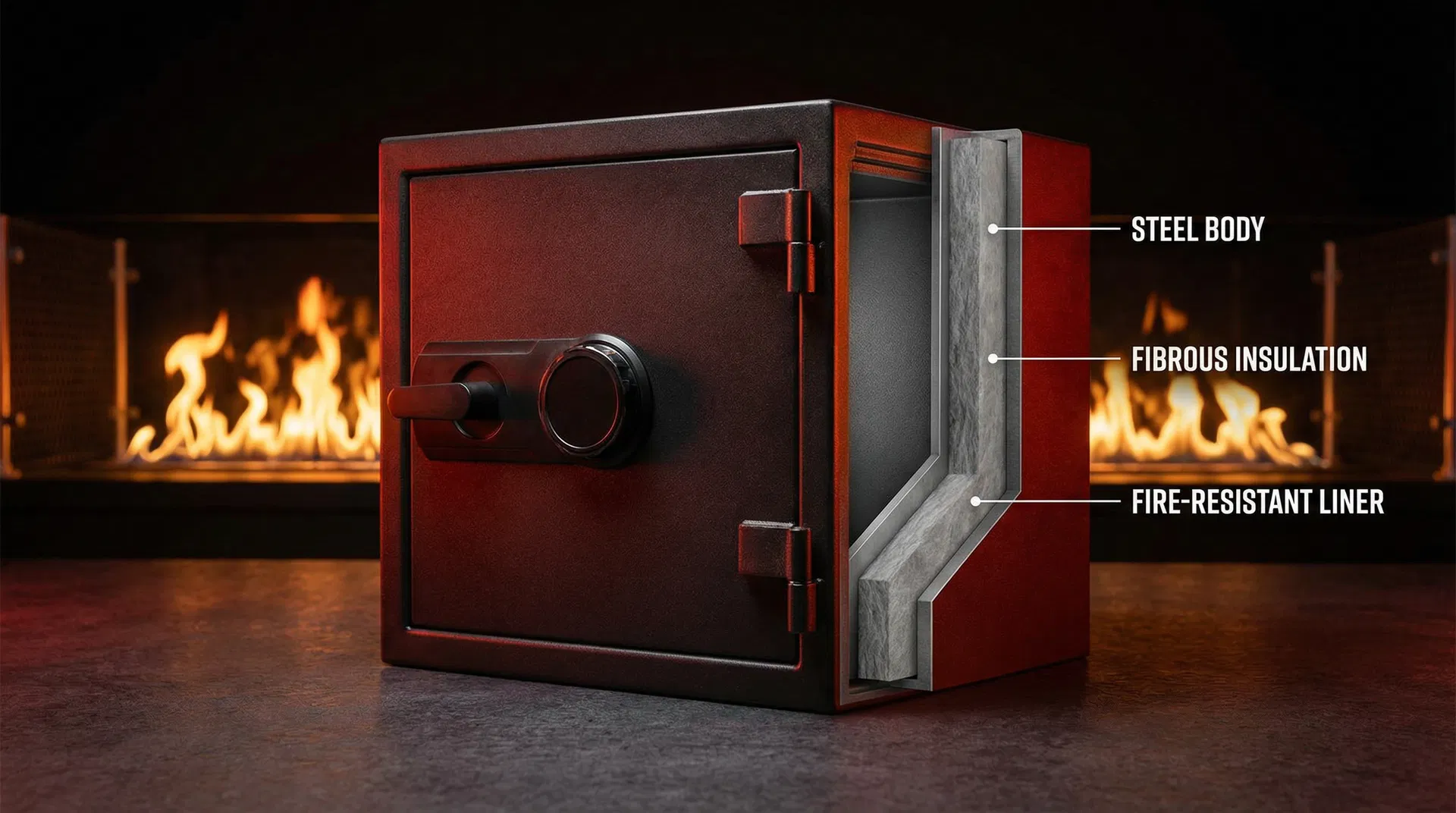
Shonelea biometric safes comply with top security standards like EN 1143-1 for burglary resistance and UL 72 for fire protection. Our Class 350 fire-rated safes protect paper documents by keeping the internal temperature below 177°C for up to two hours during a fire. This dual certification ensures that a Shonelea safe offers comprehensive protection.
Frequently Asked Questions About Biometric Safes
Q: What makes a biometric safe more secure than a traditional safe?
A: A biometric safe is more secure because it uses your unique fingerprint for access, which cannot be lost, stolen, or copied like a key or code. This direct link between the user and the locking mechanism provides a higher level of security and prevents unauthorized access far more effectively than traditional methods.
Q: Can a biometric safe be opened if the batteries die?
A: Yes. All high-quality biometric safe models, including those from Shonelea, come with backup access methods. This is typically a concealed key lock or a digital keypad that can be used to open the safe if the batteries fail. This redundancy ensures you are never locked out of your safe.
Q: How many fingerprints can a biometric safe store?
A: The fingerprint storage capacity of a biometric safe varies, but many modern units can store up to 100 different fingerprints. This multi-user capability makes such a safe an excellent choice for office environments or households where several people need secure access to the same container.
Q: Are biometric safe fingerprint scanners susceptible to fake fingerprints?
A: The security of a biometric safe against fake fingerprints depends on the sensor type. While basic optical sensors can sometimes be fooled, advanced capacitive sensors are much more secure. They require a live, conductive finger to register a reading, making them highly resistant to spoofing. Shonelea uses this advanced technology in its premium models.
Q: Where are Shonelea biometric safes manufactured?
A: Shonelea biometric safes are manufactured in our state-of-the-art facility in Hengshui, China. We adhere to strict quality control protocols to ensure every safe we produce meets the highest international standards for security and reliability, allowing us to serve our European B2B wholesale partners with confidence.
Conclusion: The Future of Security with Biometric Safes
The evolution of security technology has brought us to the era of the biometric safe, a device that combines cutting-edge fingerprint recognition with robust physical protection. From the nuanced differences between optical and capacitive sensors to the critical importance of backup access, understanding these elements is key to appreciating the value a biometric safe brings. Whether for the dynamic needs of hotels and offices or the personal security requirements of homes, this type of safe stands as a testament to modern security innovation.
Shonelea is at the forefront of this revolution, offering a comprehensive range of biometric safe solutions designed to meet the exacting standards of European B2B wholesale buyers. Our commitment to quality, compliance with international standards like EN 1143-1 and UL 72, and integration of advanced features ensure that a Shonelea model is not just a storage unit, but a guardian of your most valuable assets. Invest in the future of security; invest in a biometric safe from Shonelea.